

Guided Surgery Protocol Pairs Digital Planning With Osseodensification
Posted by Kelcee on Nov 3rd 2026
Digital planning has changed how clinicians approach implant placement. However, the surgical protocol still determines the outcome because the guide only controls position. Meanwhile, what happens to the bone once the bur reaches the site remains a separate concern. That is where Osseodensification changes the equation.
By pairing guided surgery with Osseodensification, clinicians can keep the plan and preparation technique aligned toward the same goal. Ultimately, both approaches support predictable primary stability rather than accurate placement alone.
Why a Guided Surgery Protocol Needs a Compatible Bur
A static or dynamic guide gives you angulation, depth, and trajectory before you touch the tissue. That precision matters, but it only solves half the problem. The other half is what the bur does to the bone once it enters the sleeve. Standard excavating drills remove bone along the osteotomy walls.
In softer or compromised ridges, that can undercut the stability and the number of cases a clinician can see without first building up the patient’s bone. A surgery protocol built around Osseodensification keeps the guide's accuracy intact.
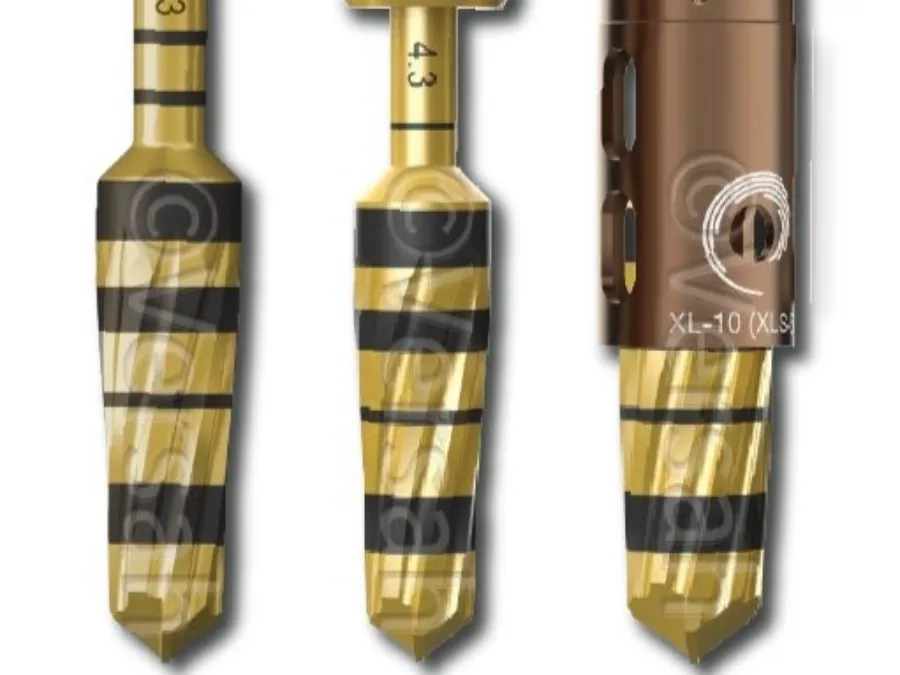
Guided Surgery offers the clinician a predictable drilling guide which pairs well with the Densah Bur design. In the counterclockwise direction, the Densah Bur is non-cutting and will follow the trajectory established by the pilot drill.
Many clinicians have added the Versah Guided Surgery Keys and C-sleeves to their Osseodensification armamentarium to allow improved implant placement precision and minimize angular deviation, with the key clinical benefits of Densah Burs and preserving the patient’s bone. Studies have been conducted to show that Versah’s Universal Guided Surgery keyless system offers trueness and precision when compared to other guided surgery systems.
What Changes at the Osteotomy
Densah® Burs run in reverse rotation, allowing the flutes to compact bone outward instead of cutting it away. As a result, the osteotomy walls densify rather than thin, while autologous bone that would normally get removed stays in place along the site. For clinicians working through a guided sleeve, this detail becomes especially important.
The bur is already constrained to a fixed path, so Osseodensification uses that constraint to its advantage by expanding and compacting bone within the channel that the guide has defined. Consequently, clinicians may achieve improved insertion torque and implant stability quotient values, with the effect showing up most clearly in low-density bone.
Matching Sleeve, Key, and Bur Inside the Surgery Protocol
A guided surgery protocol with Osseodensification depends on the C-Guide sleeve system and G-Stop Keys working in sequence with the bur. The sleeve controls lateral movement —the key controls depth. The Densah Bur determines what happens to the bone in between. Clinicians moving from freehand Osseodensification into a guided workflow should refer to the published surgery protocol itself.
Where This Protocol Fits Across Bone Densities
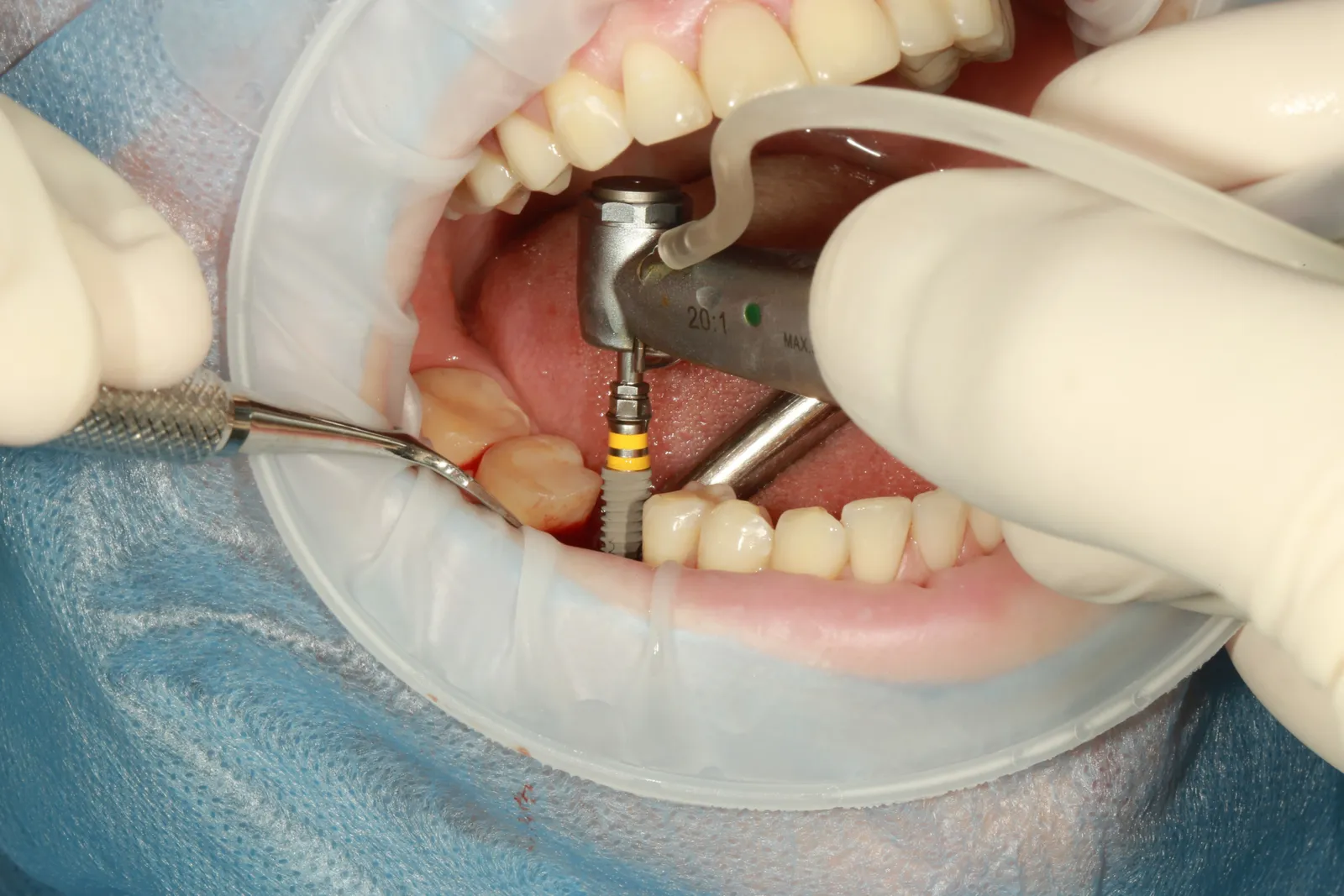
Guided Osseodensification is not limited to a single indication. It applies to immediate implant placement in extraction sockets, ridge expansion in narrow alveolar bone, and posterior sites where softer bone often benefits from densification rather than removal.
In each case, the guide supplies the map. The bur supplies the biomechanical response. Clinicians who already follow a guided surgery protocol for conventional drilling can adopt the Osseodensification sequence without changing their digital workflow. The modification happens at the bur level, not the planning software.
The Evidence Behind the Combination
The literature on Osseodensification versus conventional drilling has grown over the past decade. A recent umbrella review looked at nine systematic reviews on the topic. Most of those reviews reported higher primary implant stability with Osseodensification, measured through insertion torque and implant stability quotient.
The difference showed up most clearly in low-density bone. That finding lines up with what guided Osseodensification aims to deliver at the chairside. It is a preparation technique that protects primary stability inside a workflow already built around precision.
Bringing It Together
None of this replaces clinical judgment. Bone quality still varies from patient to patient. A guide cannot substitute for tactile feedback entirely. What a guided surgery protocol with Osseodensification does is reduce the variables between plan and outcome. The accuracy built into the digital workup carries through to the bone itself. Versah developed the Densah® Bur system and the C-Guide sleeve components to support exactly this kind of integration. The technique stays consistent whether a case is freehand or fully guided.
If you are working through how to bring Osseodensification into a guided workflow, reach out to the Versah team. They can walk through protocol specifics for your case mix. They can also connect you with training resources if you want hands-on practice before your next guided case.