
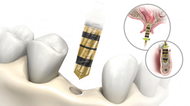
Implant Surgery Outcomes Improve When Bone Is Compacted, Not Removed
Posted by Kelcee on Oct 29th 2026
Osteotomy preparation sets the tone for primary stability, healing, and how predictable the rest of the case turns out to be. For decades, standard subtractive drilling was the only option, and clinicians simply worked around whatever bone quality they found. Bone compaction changes that equation, and it is why so many practices are rethinking how they prepare a site.
Why Surgery Outcome Depends on the Osteotomy
Subtractive drilling removes bone to make room for the implant. That approach works, but it also strips away the trabecular structure that gives an implant something to grip during initial placement. In soft bone especially, this can leave clinicians chasing torque values they never quite reach.
Bone densification takes a different route. Instead of excavating osteotomy walls, a Densah Bur expands and condenses bone laterally. This approach preserves density where the implant needs it most. Clinicians report more consistent surgical outcomes after shifting their protocols to Osseodensification. This consistency matters especially in the maxilla, where bone density often runs low. Versah's clinical protocols cover compaction techniques by indication. They include ridge expansion and sinus lift approaches. These protocols help clinicians match each technique to the specific case.
Bone Compaction Versus Bone Removal at the Osteotomy Site
The mechanical difference matters more than it might first appear. Removal-based drilling cuts bone away and discards it. Compaction autografting pushes that same bone outward, compressing it against the osteotomy walls instead of extracting it. The result is a denser perimeter around the implant site rather than a hollowed one.
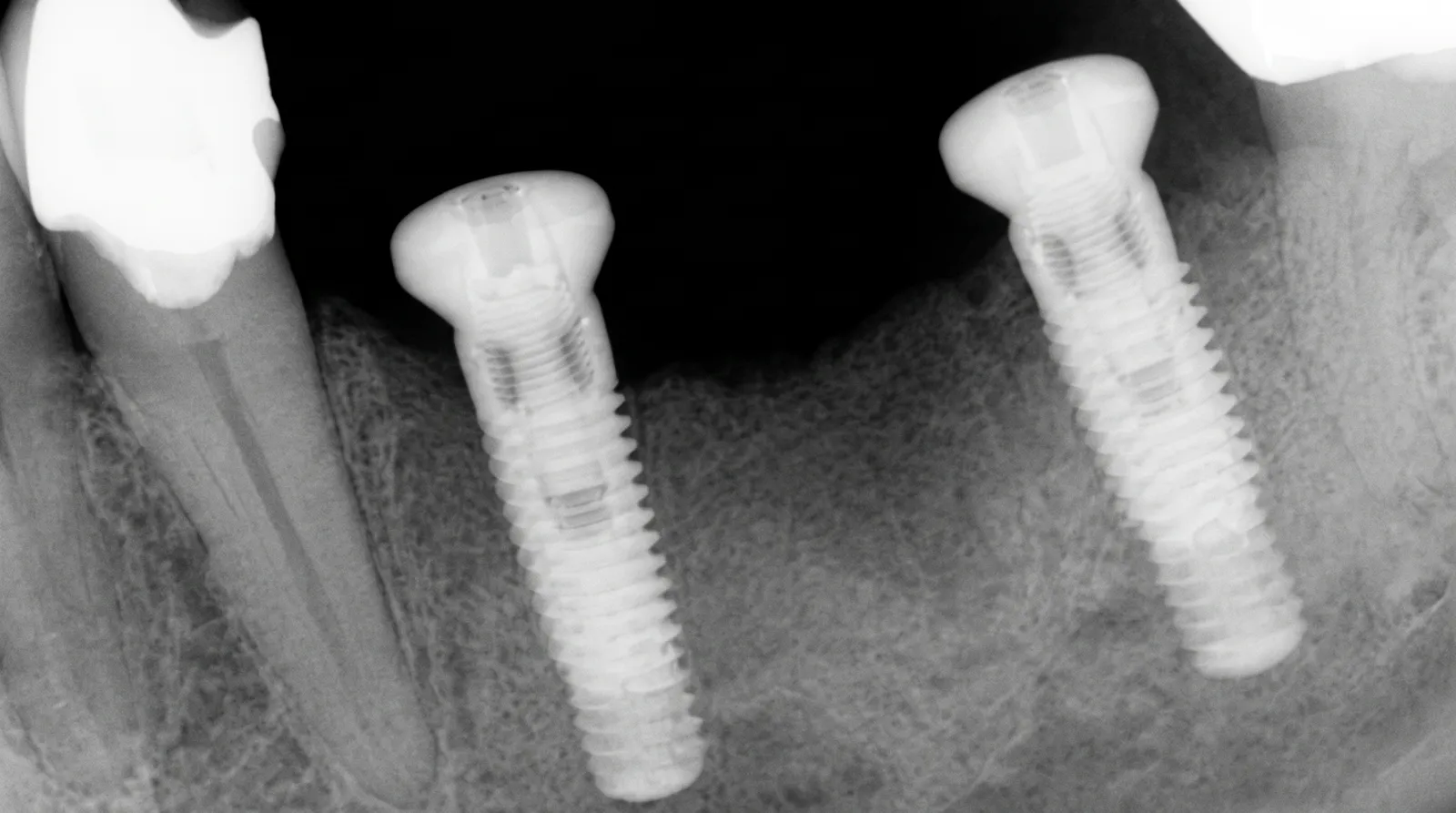
This distinction has undergone a direct study. A systematic review compared osseodensification with conventional drilling. It found higher resonance frequency analysis and implant stability quotient values with compaction-based preparation. The review also found greater bone density around the implant surface, which differed from standard subtractive drilling protocols.
How Compaction Supports Predictable Surgery Outcomes
Primary stability is the variable most closely tied to surgery outcome, especially in immediate loading cases. Compacted bone gives the implant threads more to engage with at insertion, which typically shows up as higher torque and ISQ readings right away. That early stability also tends to carry forward, since a denser interface gives osseointegration a stronger starting point.
Clinicians running guided cases see an added layer of control here. Versah's guided surgery protocol pairs digital planning with compaction sequencing, keeping depth, angulation, and bur order consistent across every site in a full-arch or multi-implant case.
Where Compaction Fits Into Your Protocol
Compaction does not replace every drilling step in every case. It works best when bone density presents a concern. Common examples include the posterior maxilla and ridge expansion cases. Clinicians may also use it to avoid a lateral window sinus approach. In denser mandibular bone, clinicians often use compaction selectively. They may reserve it for the final osteotomy steps rather than the entire preparation.
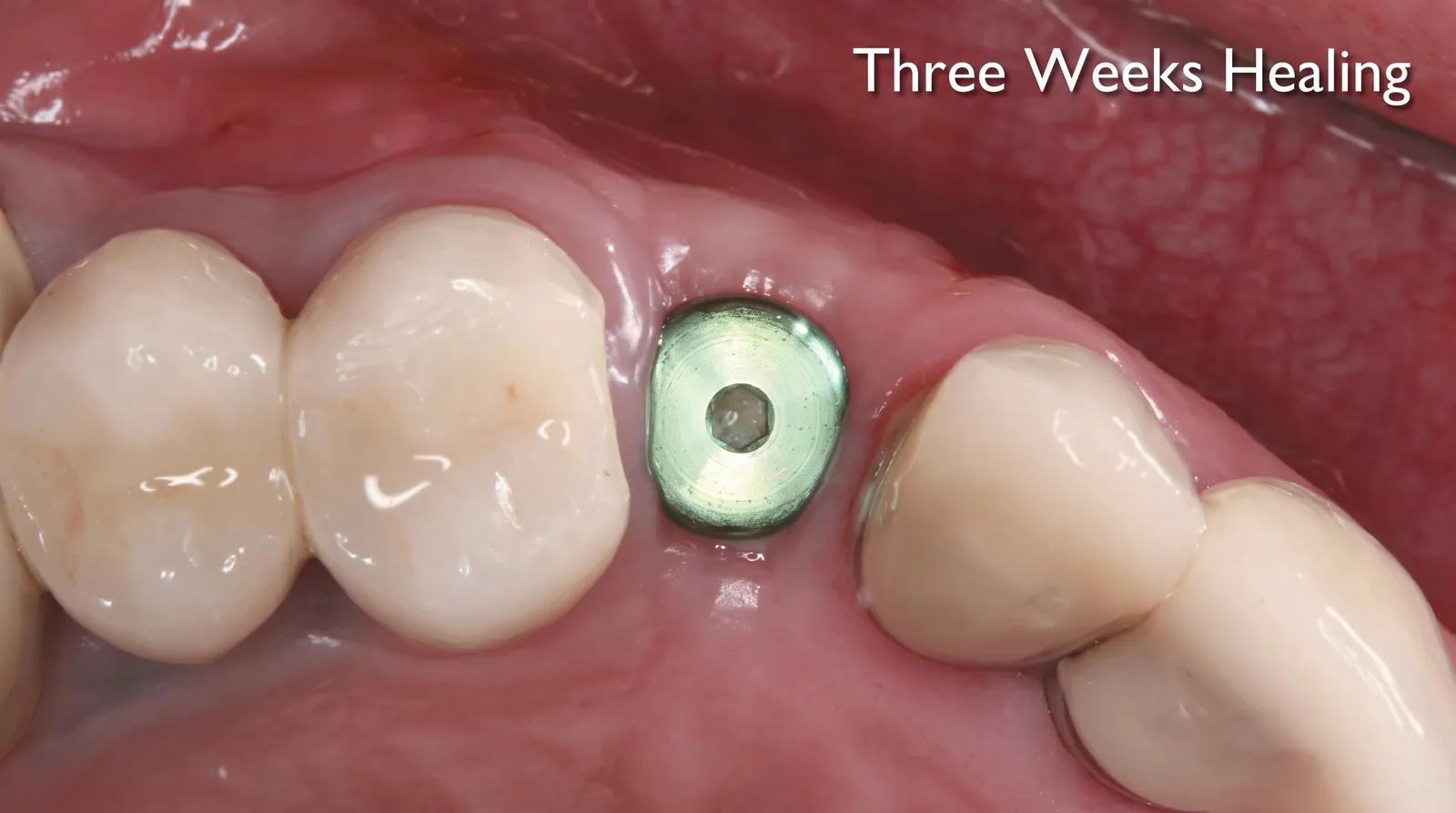
What matters is matching the technique to the bone rather than using the supplied implant drill kit by default. A universal-compatible bur system avoids locking clinicians into one manufacturer's drilling sequence. It also lets them gain the benefits of compaction across different implant systems.
Improving Surgery Outcome Consistency Across Implant Systems
One reason clinicians hesitate to adopt compaction techniques involves assumptions about implant brand compatibility. Compaction burs do not require a specific implant brand. They respond to bone characteristics rather than implant geometry. The same drilling sequence can support tapered or parallel-walled implants. Practices using guided surgery systems can also add compaction drilling to their workflow. They can do so without changing implant vendors or retraining their teams from scratch.
This is the core advantage worth remembering. Surgery outcomes improve when the technique adapts to the bone, not the other way around.
Versah developed the Densah® Bur system specifically to give clinicians this kind of flexibility, built on a growing body of published research rather than marketing claims alone. If you are curious whether compaction technique fits your caseload, or want to talk through which protocol makes sense for the bone density and case types you see most often, contact the Versah team at info@versah.com or call +1 844-711-5585.