
Molar Septum Expansion Facilitates Predictable Management of Dense Posterior Bone
Posted by Kelcee on Oct 6th 2026
Molar extraction sites ask a lot from implant clinicians, with wide sockets and unforgiving anatomy that can make predictable implant placement challenging. Dense posterior bone adds one more variable to an already demanding case. Subtractive drilling removes structure from sites where every millimeter counts, and it can generate heat in heavily mineralized cortical layers.
Molar Septum Expansion with Densah® Burs takes a different approach. Osseodensification preserves, widens, and densifies the interradicular septum rather than cutting it away.
Why Subtractive Drilling in Dense Posterior Bone Falls Short
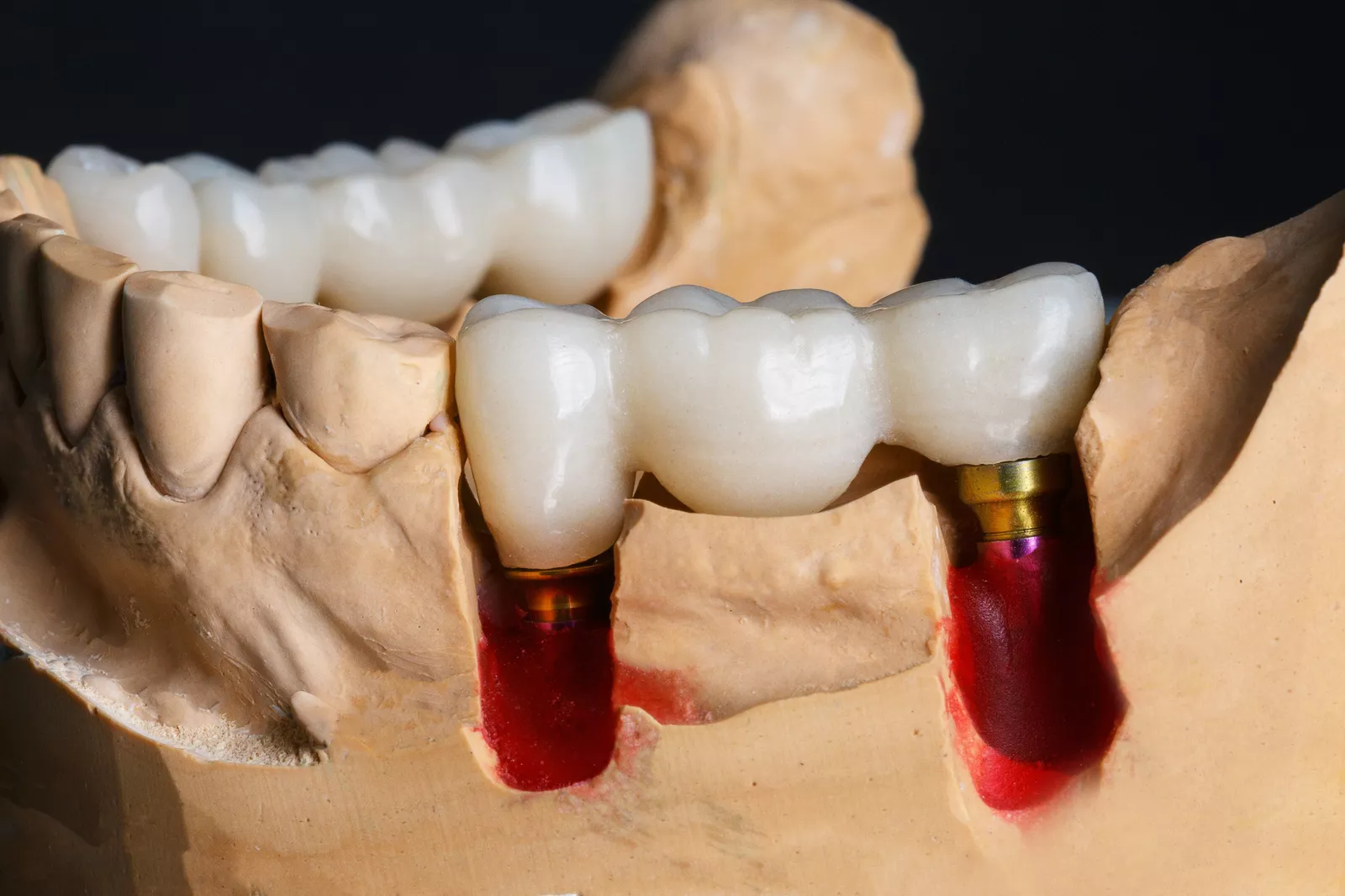
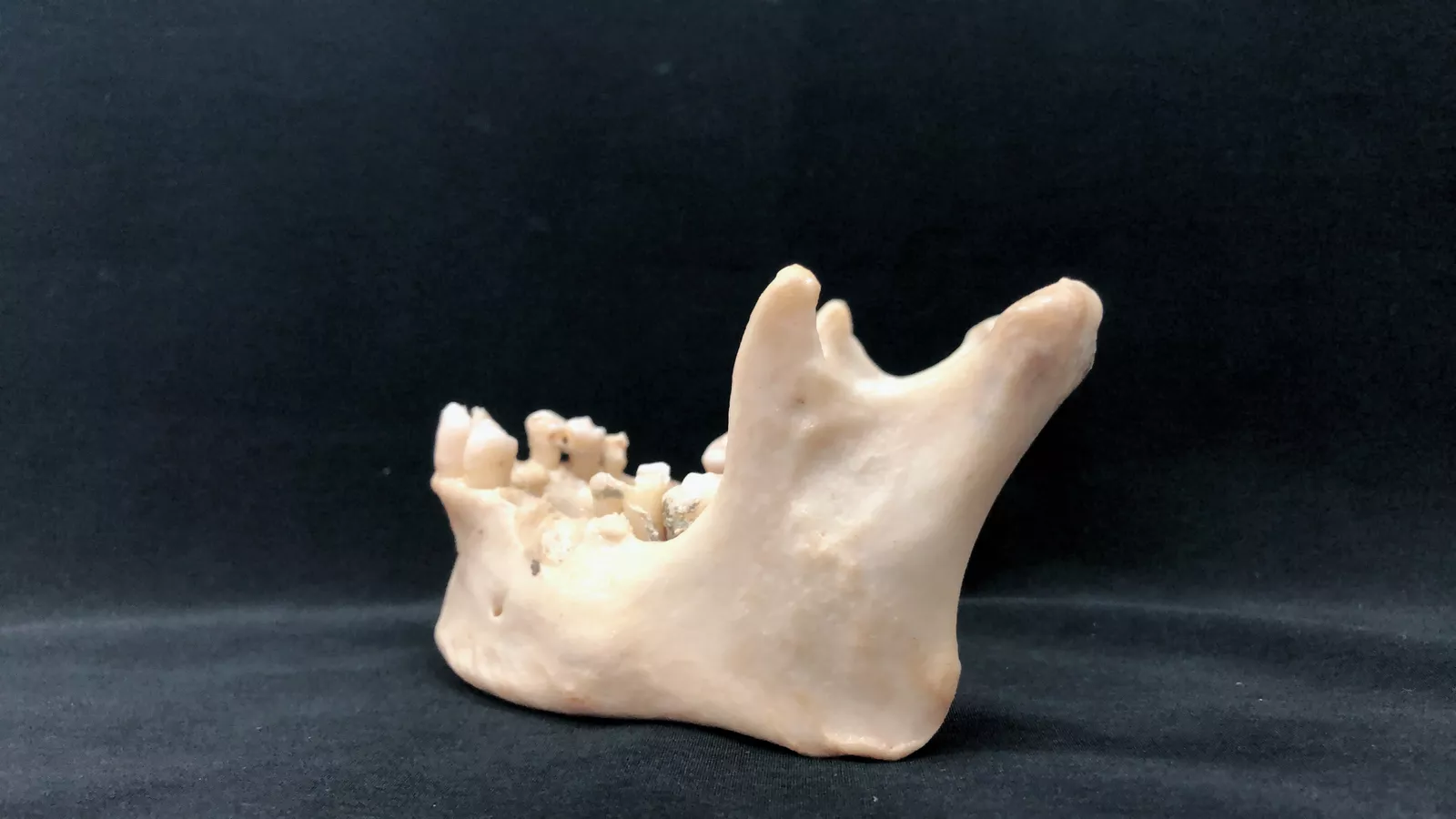
Posterior sites rarely present uniform bone quality. Mandibular molar regions often show thick cortical plates over limited trabecular volume. Maxillary molar sites can shift from dense septal bone to sparse trabeculae within a few millimeters. Both scenarios push conventional drilling protocols to their limits.
Several factors compound the difficulty:
- Highly mineralized bone resists cutting, and that resistance produces frictional heat during preparation.
- Dense sites carry a lower vascular supply per unit volume, which can slow revascularization and delay secondary stability.
- Conventional drills tend to drift toward the path of least resistance, such as a narrow septum flanked by empty root sockets.
The result is familiar. The osteotomy wanders into a root socket, the implant ends up off axis, and the restorative plan compromises around it.
How Molar Septum Expansion with OD Changes Site Preparation
Osseodensification (OD) reverses the logic of subtractive preparation. Versah’s specially designed Densah® Burs run in counter-clockwise, or densifying mode, with copious irrigation. Bone is compacted laterally and apically instead of being evacuated. In a molar socket, that controlled densification allows the septum to widen incrementally rather than disappear.
The clinical sequence stays familiar to anyone who places implants:
- Assess septum width, sinus floor (if applicable), and the inferior alveolar canal with preoperative CBCT.
- Perform flapless, atraumatic extraction with careful root separation to protect the septum.
- Use the pilot in the center of the septum to a depth that is 1 mm deeper than the planned implant length.
- Step up bur diameters gradually, using your Implant System Densifying Reference Guide (DRG) until the osteotomy is within 0.5-0.7 mm of your planned implant diameter. DRG will denote implant placement.
- Graft residual socket voids and seal with a wide healing abutment.
This published molar septum expansion protocol walks through each step in sequence. Controlled expansion in small increments helps maintain predictability throughout the procedure. Slight over-expansion of the final osteotomy is often advised, since compacted bone demonstrates a degree of elastic recoil.
Posterior Bone: What the Published Evidence Reports
Bleyan and colleagues published a multicenter retrospective analysis in the Journal of Functional Biomaterials in 2021. The authors reviewed 145 immediate implants placed in molar extraction sockets across five centers. Mean septum width before instrumentation measured 3.3 mm. Mean osteotomy diameter after expansion measured 4.65 mm.
Their reported clinical outcomes are worth noting. Mean insertion torque across the cohort reached 44.5 Ncm. Mean ISQ measured 72.8 on the day of surgery and 78.9 before final impression. Cumulative implant survival was 93.1% over follow-up ranging from 12 to 60 months. Twenty-three sockets started with a septum of only 2.5 mm, and all were expanded enough to receive an implant.
Building a Repeatable Posterior Workflow
Versah® engineered the Densah® Bur specifically to make this kind of site preparation reproducible. The proprietary multi-fluted geometry compacts bone rather than excavating it. The same bur can also cut when a site proves extremely dense. That flexibility supports the Densify After Cut approach, intended for very hard bone where densifying mode alone meets heavy resistance.
Technique sensitivity, such as pressure modulation, pumping motion, bur sequencing, and irrigation, all shape the outcome. Reviewing the full library of Osseodensification clinical protocols is a practical place to start. Clinicians who want structured repetition can also attend hands-on training through the Osseodensification Academy. Those courses pair didactic review with practice on actual bone specimens and simulation models.
Give Your Next Molar Case a Better Starting Point
A wide socket, a thin septum, and dense surrounding bone rarely feel routine. Molar septum expansion gives you a way to work with that anatomy instead of around it. You keep the septal bone, you position the implant where the restoration needs it, and you rely on a protocol backed by published follow-up data.
Our team is glad to talk through kit selection, protocol questions, or upcoming course dates with you. Send a message to info@versah.com or call +1 844-711-5585 to get started.