
Bone Preservation Is Reshaping How Clinicians Approach the Osteotomy
Posted by Kelcee on Sep 22nd 2026
For most of implant dentistry's history, the osteotomy has been a subtraction problem. You select a drill sequence, remove bone, and hope the site cooperates. That approach holds up reasonably well in dense mandibular bone. It holds up far less predictably in the soft posterior maxilla.
A different question is now shaping protocol design across the profession. Rather than asking how much bone to remove, clinicians are asking how much they can keep. That single shift is changing drill selection, sequencing, and case planning.
The Hidden Cost of Removing Bone
Conventional excavation drills work through cutting and evacuation. Every pass sends autogenous material into the suction line. What remains is a smooth, hollow channel with no added biologic value.
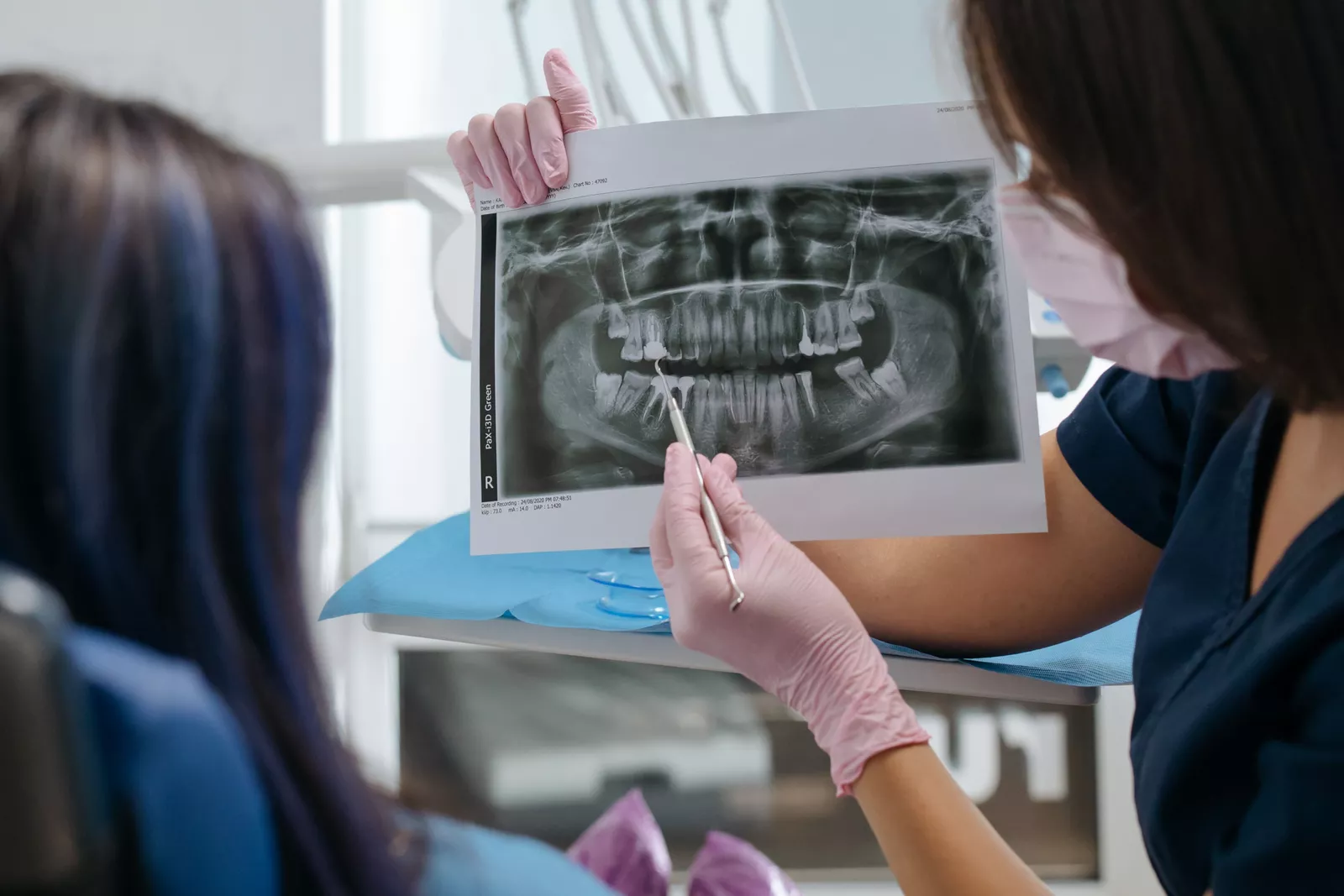
In D3 and D4 bone, the consequences show up immediately. Primary stability drops, insertion torque falls short of what immediate loading protocols require, and clinicians then are forced to compensate with undersized preparation or staged grafting appointments. Each workaround adds cost, chair time, or biological risk to the case.
A decade of biomechanical, histologic, and clinical research has examined how instrumentation affects surrounding bone. The literature points in a fairly consistent direction. How you prepare the site influences how the site heals.
What Bone Preservation Changes in the Osteotomy
Osseodensification reverses the logic of site preparation. Instead of excavating the walls, the technique compacts bone laterally and apically. The bone stays in the patient and forms an autograft layer along the walls of the prepared osteotomy.
Published preclinical and clinical studies have reported several effects associated with this densification approach*:
- Higher insertion torque values compared with conventional drilling in low-density bone
- Increased bone mineral density along the periphery of the prepared site
- Greater bone-to-implant contact
- Preserved trabecular architecture that remains available for remodeling
- Controlled plastic expansion of narrow ridges without a separate split procedure
Where Preservation Changes the Treatment Plan
The most visible impact shows up in case selection. Sites once routed straight to staged augmentation can sometimes be managed in a single visit with Osseodensification.
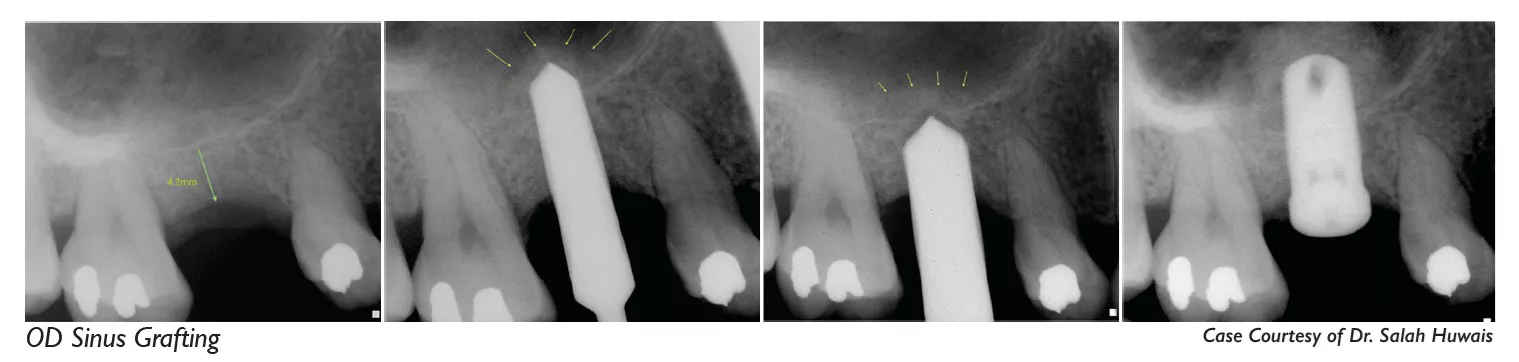
Several validated clinical protocols now address these situations directly:
- Crestal sinus elevation with a controlled, atraumatic membrane lift
- Ridge expansion in narrow anterior and posterior sites
- Immediate implant placement into fresh extraction sockets
- Molar septum expansion in both healed and fresh sites
- Guided surgery with full visualization of the expanding preparation
Every protocol depends on residual bone volume, trabecular core, and clinical judgement. Osseodensification will not create tissue that does not already exist, but it can optimize and preserve existing bone. Reviewing recorded clinical case videos may help clarify where the technique genuinely fits and where it does not.
Building a Preservation Mindset Into Daily Practice
Adopting a new osteotomy philosophy takes more than a new kit on the tray. It takes repetition, feedback, and honest case review. Versah® built the Osseodensification Academy around exactly that reality. Courses pair didactic evidence review with hands-on practice using simulation models and real bone specimens.
The Densah® Bur remains the only instrument engineered and validated to produce Osseodensification. Its non-excavating proprietary flute design densifies bone as the osteotomy widens. Counterfeit instruments marketed with similar capabilities do not carry the same engineering or supporting evidence. Verifying your source protects your outcomes and your patients.
One practical detail gets overlooked more often than it should. Burs are consumables, not permanent instruments. Replacing them after roughly 20 to 25 uses keeps the cutting geometry within specification. Worn instrumentation quietly undermines the densification you are working to achieve. Hands-on training covers these details alongside the clinical protocols themselves.
Rethink Your Next Osteotomy
You do not need to overhaul your entire practice overnight. Start with one case where the bone quality already worries you. Ask what a preservation-first preparation might change about that specific site. Then talk it through with people who have walked hundreds of clinicians through the same decision. Our team can help with protocol selection, kit configuration, and upcoming course dates.
If you have a question about a case on your schedule, send us a message or call +1 844-711-5585 to speak with a live representative today.
*Results vary across study designs, species models, and bone types. Even so, the direction of the evidence has been difficult for the field to ignore. Clinician judgement still governs every individual case.