
Choosing an Immediate Implant Placement Protocol That Protects Stability
Posted by Kelcee on Sep 3rd 2026
Immediate implant placement gives patients a faster path to a finished smile, but it also asks more of the clinician and the drilling protocol used at the osteotomy site. Placing an implant into a fresh extraction socket means less bone contact is available for that early hold. In Immediate implant placement, every step of preparation counts more than it would in a healed ridge.
For clinicians refining an immediate implant placement protocol, the preparation technique matters enormously. It often decides whether early stability holds through healing, or becomes a source of worry in the first few months.
Why Immediate Implant Placement Demands a Different Approach
Fresh extraction sockets rarely offer a uniform, dense wall of bone. Buccal plates are often thin and apical bone can be soft. Traditional drilling protocols were designed for healed ridges, not sockets still adapting to fresh trauma. That mismatch is part of why immediate implant placement has a reputation for being technique-sensitive.
Preparation technique becomes just as important as implant selection in these cases. Traditional twist drills excavate and remove bone. In a socket with compromised walls, that can leave an osteotomy with less to grip.
Osseodensification: A Different Way to Prepare the Site
Osseodensification changes what happens at the osteotomy site. Densah Burs are designed to rotate in reverse, gently compacting bone outward against the osteotomy walls instead of removing it. This autografting effect increases bone density right where the implant needs it most.
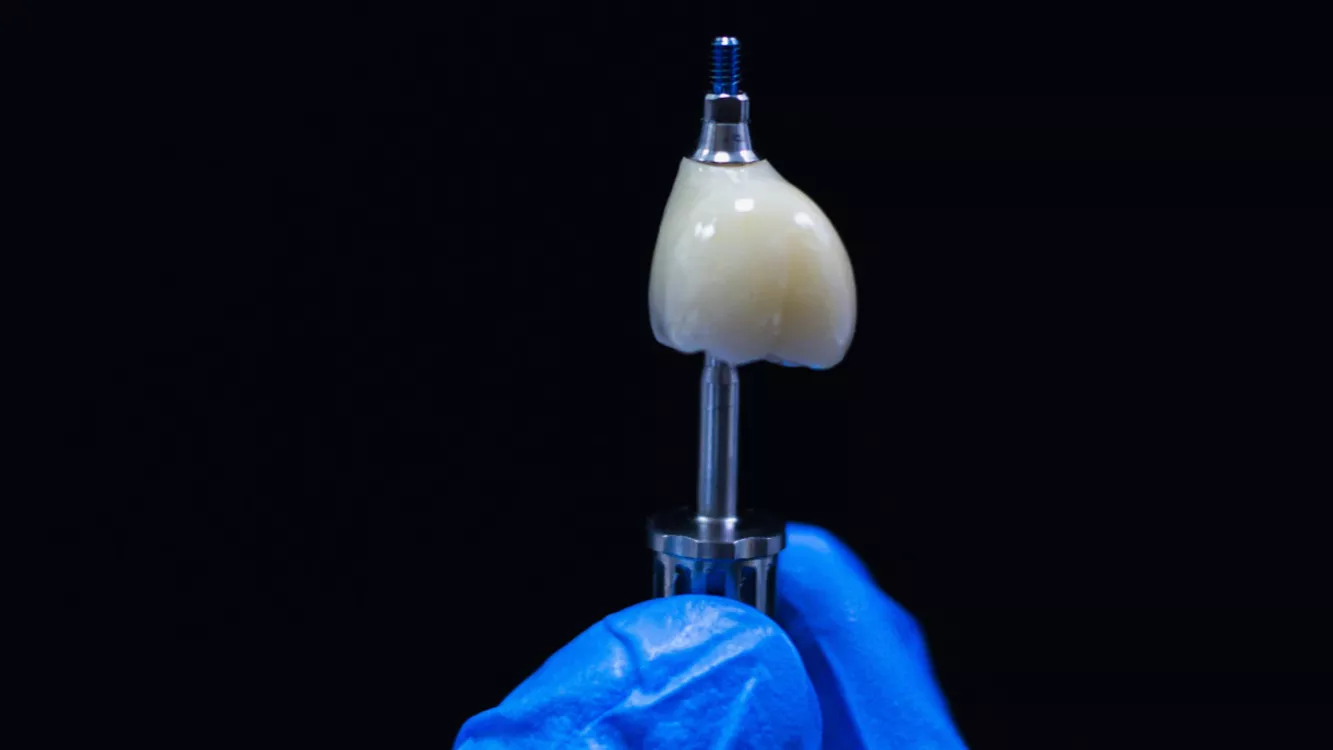
This matters for an immediate implant placement protocol. The technique works with bone that's already present in the socket, rather than taking more of it away. Clinicians using osseodensification often find they can engage residual bone more predictably, including apical and lateral walls, even when socket anatomy is less than ideal.
One Universal System, Any Immediate Implant Placement Geometry
A common misconception is that osseodensification only applies to certain implant systems or unusually complex cases. In practice, Densah Burs are designed to work across implant systems and geometries, in both the upper and lower jaw. That universality means clinicians don't need a separate drill kit for every implant brand in their inventory. The same bur system applies whether the case is a straightforward single-tooth restoration or a technique-sensitive immediate implant placement. That consistency makes it practical to build osseodensification into everyday practice, rather than reserving it for the hardest cases only.
The Evidence Behind Osseodensification
Immediate implant placement protocols benefit from being grounded in published research, not just clinical impression. A systematic review and meta-analysis examined implants placed in low-density bone. It compared conventional drilling with osseodensification and measured primary stability directly.
Primary stability comes from the mechanical interaction between the implant and the bone walls immediately after placement, while secondary stability develops biologically over time. That early mechanical hold matters most in immediate cases, where bone quality is often less predictable than in a healed site.
Versah maintains a growing library of biomechanical, histological, and clinical studies. Clinicians can see the research behind the technique firsthand.
The Danger of Counterfeits for Immediate Implant Placement
As osseodensification has grown in popularity, so has the market for counterfeit burs claiming to replicate it. This is a serious risk, not a minor inconvenience. Densah Burs are precision-engineered with a specific flute geometry and metallurgy. That design produces the densifying effect when used at the correct rotational speed with ample irrigation. Counterfeit versions have not gone through that same rigorous validation process
Using an unvalidated bur during a technique-sensitive procedure like immediate implant placement introduces risk. That risk simply isn't worth the cost savings. There's no guarantee an unauthorized bur will densify bone the way it claims to. Clinicians who suspect they've encountered a counterfeit product can compare it against verified testing footage to see the difference for themselves.
Getting Full Value From the Protocol
Two habits quietly undercut the results clinicians expect from osseodensification. The first is treating it as a tool only for complicated cases. In practice, the technique adds predictable value in straightforward placements too, including routine immediate implant placement.
The second habit is holding onto burs well past their recommended lifespan. Densah Burs are validated for around 20 to 23 uses. Performance can decline once a bur is pushed beyond that range, which affects the densification the protocol depends on. Following the recommended replacement schedule protects both the outcome and the investment already made in the technique.
Building a Protocol That Protects Stability
A dependable immediate implant placement protocol starts with understanding the bone being treated. From there, it means choosing a preparation technique built for that anatomy and sourcing validated instruments to execute it. Versah's published Immediate Implant Placement Protocol lays out a step-by-step sequence clinicians can follow. It pairs naturally with the broader Implant System Drilling Reference Guide for matching burs to specific implant systems.
If you're looking to refine your immediate implant placement protocol or add osseodensification to your toolkit, we'd love to hear from you. Reach out and connect with the Versah team; we're glad to walk through the technique, the research, or the right bur kit for your practice.