
When a Failed Implant May Point Back to Site Preparation
Posted by Kelcee on Nov 19th 2026
A failed implant rarely traces back to one single mistake. More often, it reflects a chain of decisions made well before placement, starting at the osteotomy. When clinicians review complications, site preparation technique deserves the same scrutiny as implant selection, torque values, and patient factors.
What a Failed Implant Often Reveals About the Osteotomy
Every failed implant case tells a story about the bone that received it. Excessive heat generation, microfractures, and inadequate primary stability at placement all start at the drilling stage. Traditional osteotomy preparation removes bone to create space, which can leave the site with less density than the clinician needs for reliable engagement. When that engagement falls short, torque readings drop, and the implant sits in a compromised environment from day one.
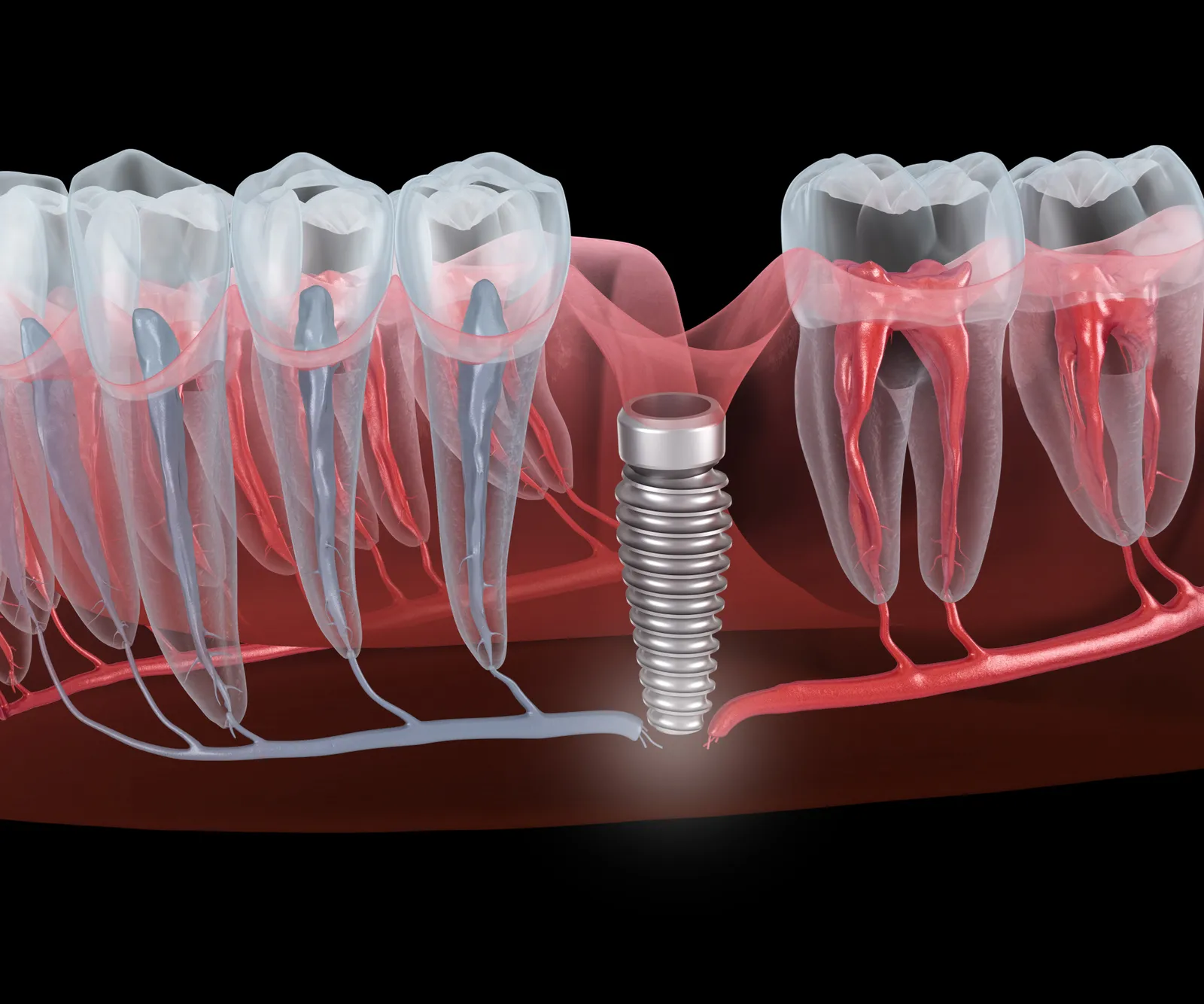
Reviewing a failed implant after the fact often surfaces a pattern. The osteotomy was either underprepared for the bone type present or overprepared in a way that stripped away density the implant needed. Clinicians who build a habit of reviewing preparation notes alongside outcomes tend to catch these patterns faster than those who only look at the implant itself.
Site Preparation Technique and Primary Stability
Primary stability depends heavily on how the site preparation technique interacts with existing bone density. Bone that measures soft on a Misch classification scale behaves differently under a drill than dense posterior bone does. A clinical protocol built around expanding and compacting bone, rather than excavating it, gives clinicians more control over final site density regardless of where the case falls on that spectrum.
Osseodensification uses a bur rotating in reverse to compact bone laterally, which preserves the autograft material that traditional drilling removes. A systematic review and meta-analysis comparing osseodensification to standard osteotomy across multiple studies found higher insertion torque and implant stability quotient values immediately after placement. That difference at the moment of insertion often carries forward into how well the site holds up during healing.
Counterfeit Burs Raise Failed Implant Risk
Not every device marketed to perform osseodensification actually performs it. Counterfeit and non-validated burs may look like originals on a shelf, however, proper flute geometry and metallurgy matter more than many clinicians realize. A bur that dulls early, deforms under torque, or fails to compact bone can alter the osteotomy outcome.
Clinicians tracking failed implant cases sometimes discover counterfeit burs were used during preparation.
Building a Site Preparation Protocol That Holds Up
A defensible site preparation protocol treats bone density, implant geometry, and bur condition as separate variables. Clinicians should document bur lot numbers, rotation speed, and irrigation with implant torque values. This habit turns each failed implant into a learning opportunity rather than an isolated event.
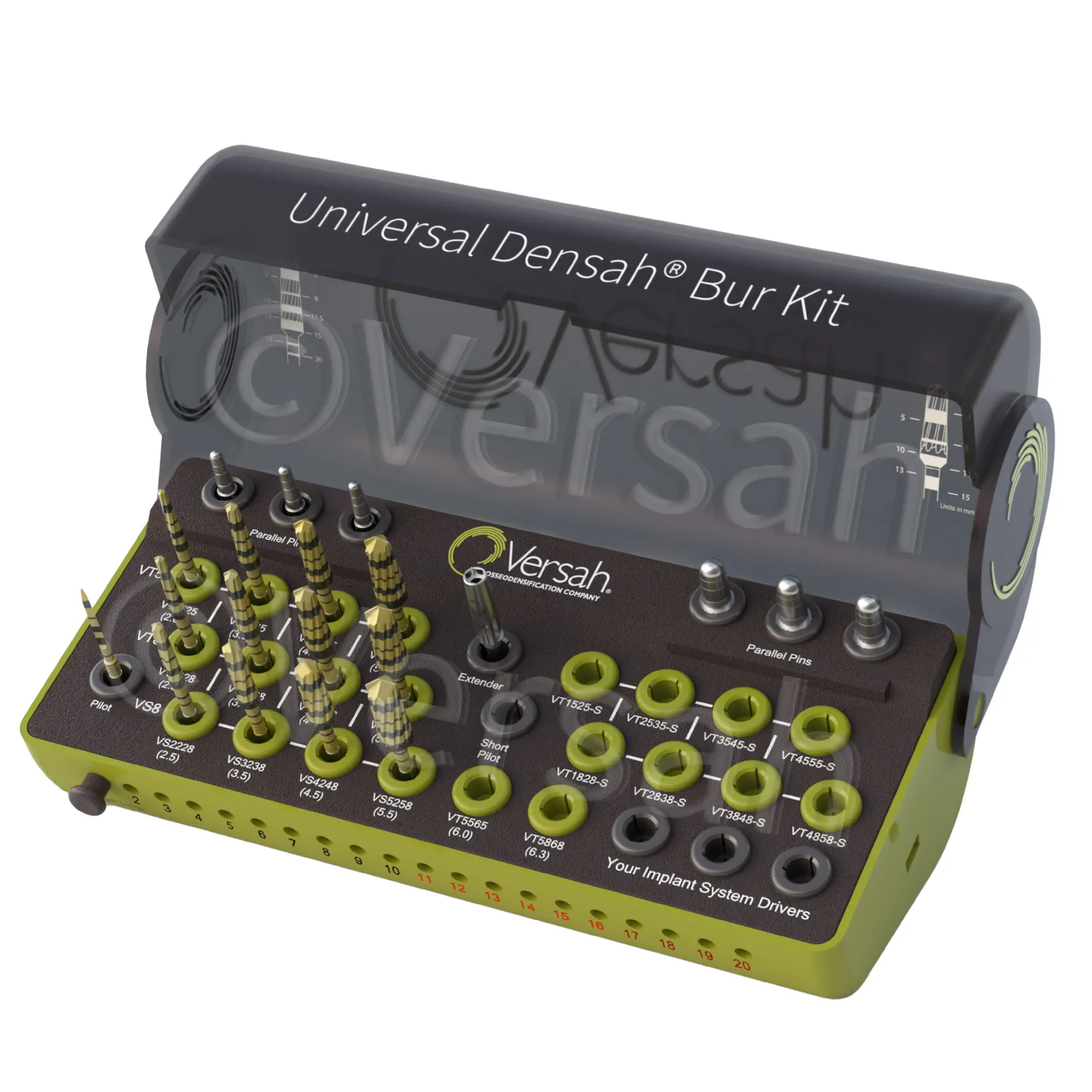
Universal compatibility across implant systems also reduces variability. A bur system engineered to work across multiple implant platforms means the clinician is not switching techniques or tools between cases, which keeps the preparation protocol consistent from patient to patient. Consistency at this stage removes one more variable from the failure equation.
Continuing Education Closes the Gap
Technique education remains one of the biggest gaps between clinicians who see occasional failures and those who rarely do. Hands-on training covers bone density classification, drilling sequences, and torque targets. It gives clinicians a framework they can apply to each case.
Clinicians who pursue structured continuing education, including programs like the Osseodensification Academy, tend to report fewer surprises during placement and a clearer sense of when a site calls for a different approach.
The Bigger Picture
A failed implant is rarely just bad luck. It usually points to something specific in the preparation sequence, whether that is bone density mismatch, bur condition, or a gap in technique. Versah built its Densah® Bur Technology around giving clinicians more control over that sequence, with a decade of biomechanical, histological, and clinical research behind the approach.
If you are seeing implant outcomes that do not match your expectations, it might be worth a closer look at your site preparation protocol. Send us a message at info@versah.com or call +1 844-711-5585, and let’s talk through your cases, ask questions about bur selection for your implant systems, or find a training session that fits your schedule.