

Choosing the Right Dental Implant Training for Your Clinical Goal
Posted by Kelcee on Nov 24th 2026
Not all dental implant training gets you closer to what you actually want to accomplish in practice. Some courses build foundational skills in standard site preparation. Others focus on guided surgery, sinus elevation, or managing dense posterior bone. Before signing up for a weekend course or a multi-day certification, it helps to know what outcome you're training toward. The right dental implant training program should map directly to a clinical gap you're trying to close, not just add a certificate to your wall.
Start With Your Clinical Goal, Not the Course Catalog
Clinicians often choose training based on scheduling convenience or location rather than clinical need. However, that approach can leave gaps in exactly the cases where confidence matters most. For instance, say your goal is reducing chair time on straightforward cases.
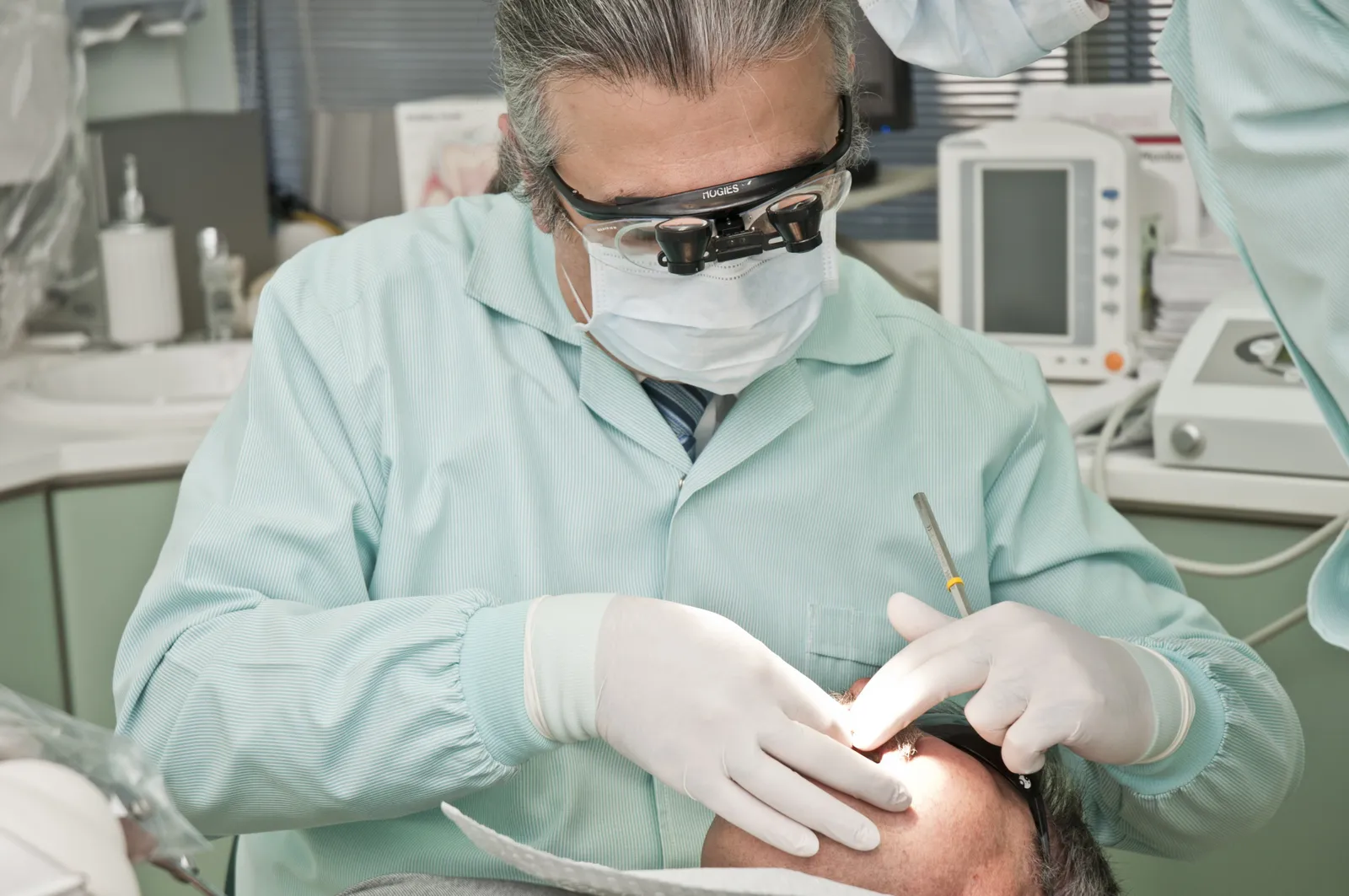
A program built around advanced grafting won't move that needle. Similarly, say you're trying to reduce referrals out for sinus cases or narrow ridges. You need dental implant training that addresses site preparation directly, not just implant placement mechanics. So, get specific about the outcome first.
From there, look for a program built around that outcome. It might be primary stability in soft bone, guided workflows, or managing posterior molar sites.
Didactic Learning Builds the Foundation
A strong program starts with the science, not just the technique. Reviewing biomechanical and clinical evidence gives you reasoning to explain your treatment choices. Patients and referring specialists both benefit from that clarity. This type of training should cover how bone density affects primary stability, what the literature says about outcomes, and should show where a given technique fits relative to alternatives you already know. Versah's clinical protocols lay out sequences across sinus lift, ridge expansion, and immediate placement cases side by side. Taking a look can help you connect the science to how each technique is actually applied.
Hands-On Practice Turns Concepts Into Technique
Didactic review only gets you partway there. Dental implant training that includes hands-on work with bone specimens or simulation models is what actually builds procedural confidence. You want to feel torque, drilling resistance, and site expansion under supervision before you try it chairside. Look for a program that separates the didactic and hands-on portions clearly, with defined time for each.
Evaluate the Clinical Evidence Behind the Training
Before enrolling, check whether the technique being taught has independent research behind it, not just a manufacturer's internal data. One relevant example is a systematic review comparing primary implant stability between osseodensification drilling and conventional drilling methods, which pulled findings across multiple published studies rather than relying on a single trial. Training built on that kind of evidence base tends to translate more reliably into daily practice than training built on anecdote alone.
Guided Surgery and Digital Planning Add a Layer Worth Training For
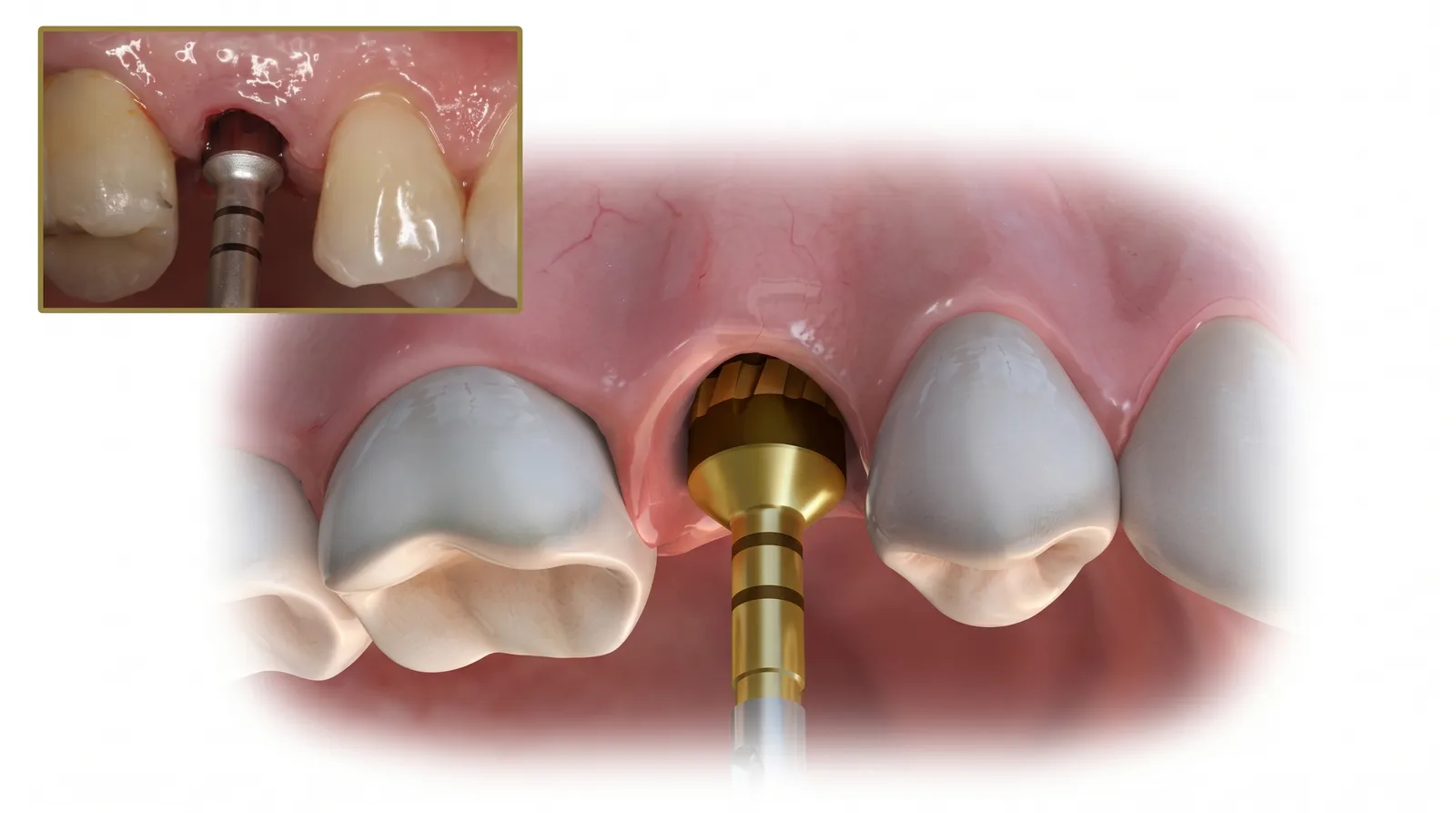
If your caseload includes multiple implant systems or complex angulation cases, dental implant training that covers digital planning and guided surgery is worth prioritizing. Matching sleeves, stops, and drilling sequences correctly is a separate skill from freehand placement, and it's one that benefits from supervised practice before you use it on a patient.
Programs that walk through guided surgery hands-on training with simulation models tend to shorten the learning curve considerably compared to reading a protocol on your own.
What a Strong Dental Implant Training Program Should Include
A few things separate a genuinely useful course from one that's mostly marketing:
- A clear split between scientific review and hands-on practice, with real time dedicated to each
- Instruction tied to published, peer-reviewed evidence rather than anecdote alone
- Case-based learning, ideally with room to bring and discuss your own treatment plans
- Coverage of the specific clinical scenario you're trying to solve, not a general overview
- Continuing education credit that's recognized where you practice
Dental implant training is ultimately an investment in fewer complications and more predictable outcomes for your patients. Choosing a program with the right depth, evidence base, and hands-on component matters more than choosing the most convenient date on the calendar. Versah runs its Osseodensification Academy with this exact structure. It pairs reviewed clinical science with hands-on practice. Clinicians can review the full curriculum and published research before enrolling.
If you're weighing which training path fits your practice goals this year, send a message to our team. They can walk you through course options and help you find the program that actually matches what you're trying to accomplish clinically.