
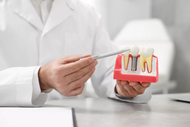
Implant Success Data Tracks Long-Term Outcomes
Posted by Kelcee on Oct 8th 2026
Cases integrate, patients come back happy, and the implant success rate of your implant practice simply lives somewhere between memory and optimism. Recording and evaluating long-term data tells a more reliable story.
Ten- and twenty-year follow-up studies show which variables hold and which ones quietly erode. They also point back to decisions made at the osteotomy, long before the crown is ever seated. Tracking outcomes over time turns a hunch into something you can plan around.
Survival and Implant Success Are Not the Same Measure
Survival asks one question. Is the implant still in the mouth? Success asks several.
Albrektsson and colleagues set the classic thresholds decades ago. A successful implant shows no mobility and no peri-implant radiolucency. Annual bone loss stays under 0.2 mm after the first year. Pain, discomfort, and infection are absent (Albrektsson et al., 1986).
Implant Success: The Data Points Worth Tracking in Every Case
A retrospective review is only as strong as the fields you filled in on surgery day. Most offices already capture the easy ones. The predictive ones take a little more discipline.
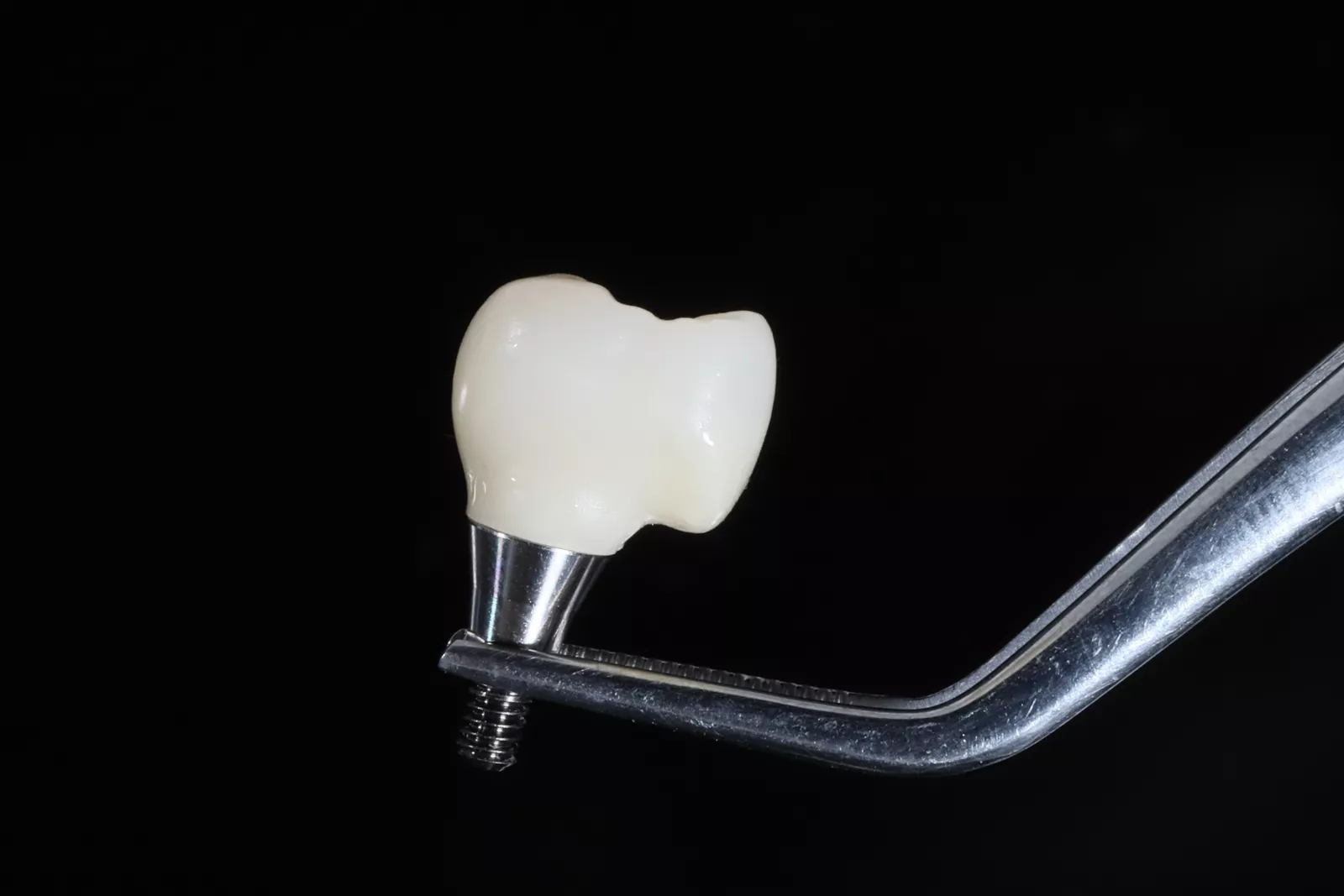
Worth logging on every implant:
- Insertion torque and ISQ at placement, plus the values recorded at loading.
- Bone type at the site, scored with a consistent classification such as Lekholm and Zarb.
- Osteotomy method used, including the bur sequence and final drill diameter.
- Radiographic marginal bone level at placement, at one year, then annually.
- Any graft material, membrane, or sinus intervention performed.
- Risk factors that shift the odds, including smoking status, diabetes control, and bruxism.
- Complications and interventions, even minor ones you resolved in a single visit.
Consistency matters more than volume. Fifty cases with clean data will teach you more than three hundred with gaps. The published biomechanical, histological, and clinical research on site preparation follows the same discipline.
What Long-Term Studies Reveal About the Osteotomy
Late failures rarely trace back to the restoration alone. Bone quality at the preparation site shapes the entire timeline. Low-density bone shows up again and again in the failure literature.
Traditional excavating drills cut and remove bone to create the osteotomy. Osseodensification works in the opposite direction. The Densah® Bur runs in reverse at 1,000 rpm and compacts autografted bone particles into the osteotomy walls.
Research on this preparation method has reported higher insertion torque values. Bone mineral density near the implant surface also increased (Huwais & Meyer, 2017). An in vivo sheep model found greater bone volume percentage in densified sites. Bone-to-implant contact was higher as well (Trisi et al., 2016).
Notice that these are the same variables sitting in your own charts. Reviewing the validated clinical protocols for each indication makes that comparison cleaner, since the technique stays consistent case to case.
Turning Your Numbers Into Better Site Preparation
Data earns its keep only when it changes something. Once you can see which sites underperform, the practical question follows. What would you do differently at preparation?
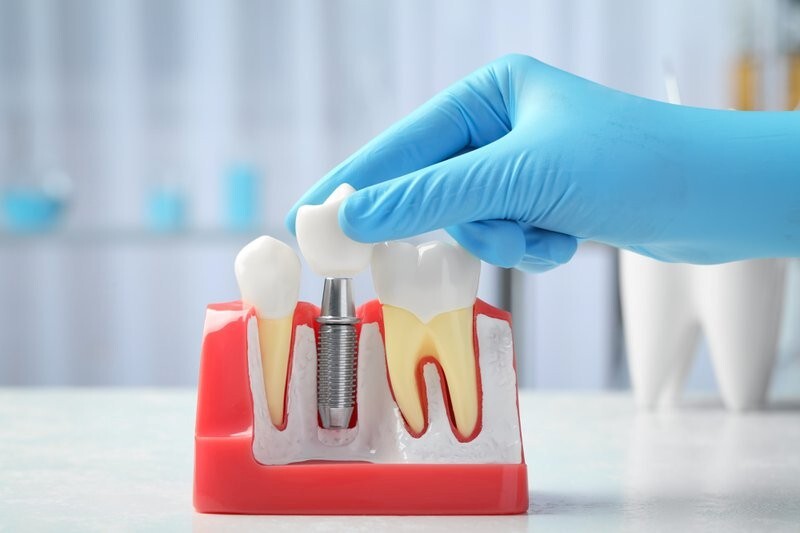
Three shifts tend to come out of a good chart review:
- Match technique to the bone, not to case difficulty. Soft posterior maxilla deserves the same attention as a full arch reconstruction.
- Standardize your bur kit so results stay comparable across cases and across operators.
- Replace your burs on schedule. Versah® recommends retiring a Densah® Bur after 20 to 23 uses. A dull bur skews the very outcome you are trying to measure.
Versah® designed the Densah® Bur to make that repeatability realistic in a busy operatory. One universal system covers ridge expansion, crestal sinus lift, immediate placement, guided surgery, and more. Clinicians who want to optimize their technique and implant practice are encouraged to join us for hands-on training through the Osseodensification Academy.
Put Your Data to Work on Your Next Case
Pull ten charts this week. Look at insertion torque, bone type at the site, and the one-year radiograph. You will likely spot a pattern you already suspected, now with numbers behind it.
If you want help connecting those findings back to your site preparation, we are glad to talk it through with you. Send us a message or call +1 844-711-5585 to get started.