

How to Identify Counterfeit Dental Burs and Why Using Them Puts More Than Your Results at Risk
Posted by Kelcee on Oct 15th 2026
Counterfeit dental instruments are no longer crude imitations that are easy to spot. Many counterfeit burs are intentionally designed to resemble genuine Densah® Burs closely enough to pass a quick visual inspection.
The problem is not just intellectual property infringement. When a clinician uses a counterfeit bur, they are placing an unverified instrument into a surgical site and trusting it to perform like the original. That decision can affect osteotomy preparation, implant stability, patient outcomes, and ultimately the reputation of the practice itself.
Whether a counterfeit bur entered your office through a third-party marketplace, an unauthorized reseller, or an attempt to save on costs, understanding how to identify these instruments is essential.
Why Counterfeit Burs Are a Serious Clinical Risk
Many clinicians assume counterfeit products are easy to spot. In reality, today's counterfeiters often put substantial effort into mimicking the appearance of genuine instruments.
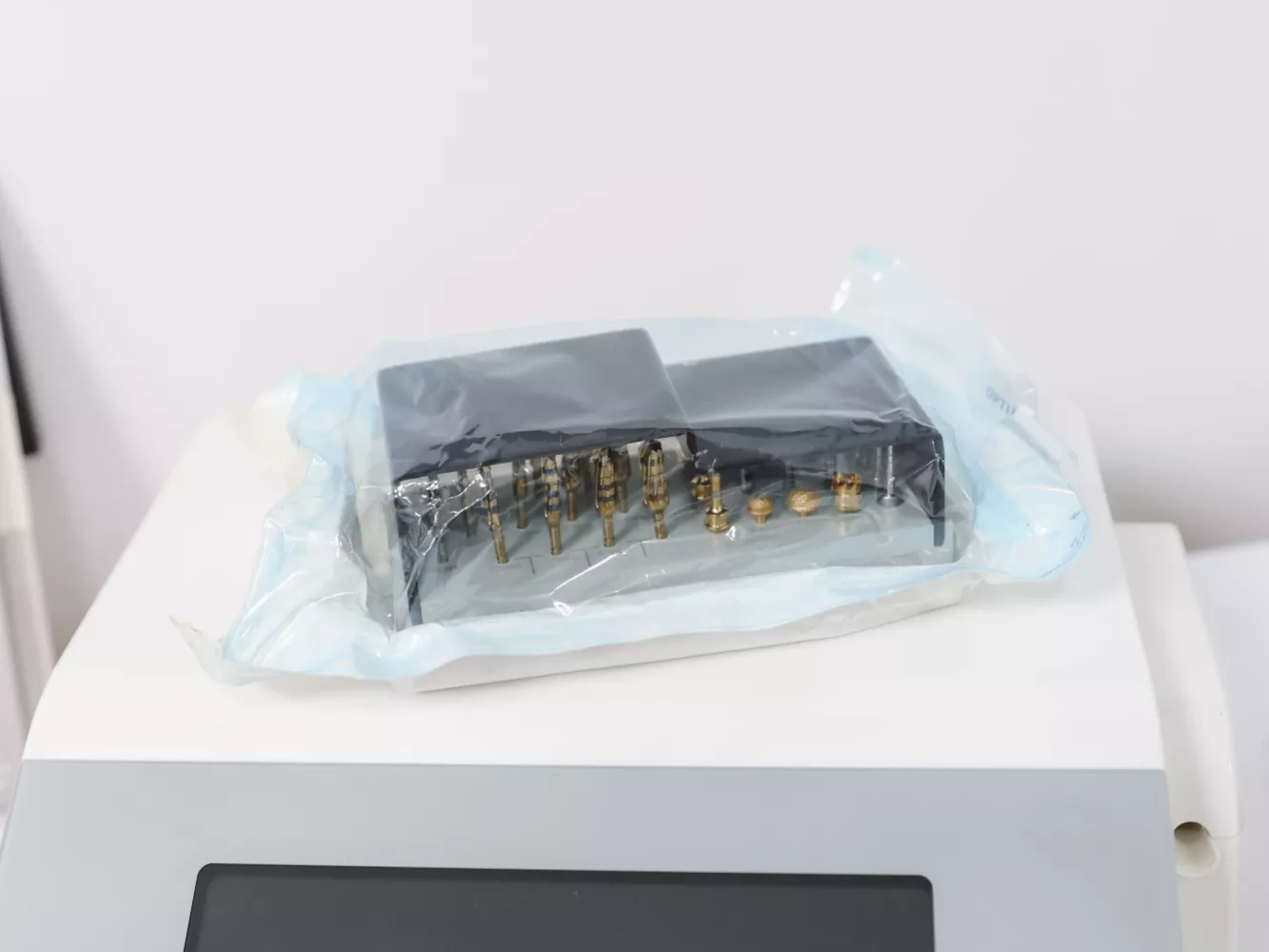
When inspecting your burs, watch for the following warning signs:
Suspicious Pricing
One of the clearest indicators is price. If a seller is offering "Densah-compatible" burs, "equivalent" burs, or products that appear to be Densah® Burs at dramatically reduced prices, that should raise immediate concerns.
Legitimate medical devices require extensive manufacturing controls, quality assurance processes, and regulatory compliance. Deep discounts often come at the expense of those safeguards.
Unauthorized Sales Channels
Genuine Densah® Burs should be purchased directly from Versah or an authorized distributor. Counterfeits are typically sold by:
- Third-party marketplaces
- Auction websites
- Overseas resellers
- Social media sellers
- Unverified online storefronts
- Individual sellers offering replacement burs outside original packaging
If the source cannot verify authenticity, neither can you.
Missing Documentation or Traceability
Authentic instruments are traceable and travel through several regulatory checkpoints. Counterfeit products often lack:
- Lot information
- Proper product labeling
- Manufacturer documentation
- Verification of origin
- Government-level accreditation
If you cannot establish where an instrument came from, you should question whether it belongs in a patient's osteotomy.
Physical Differences
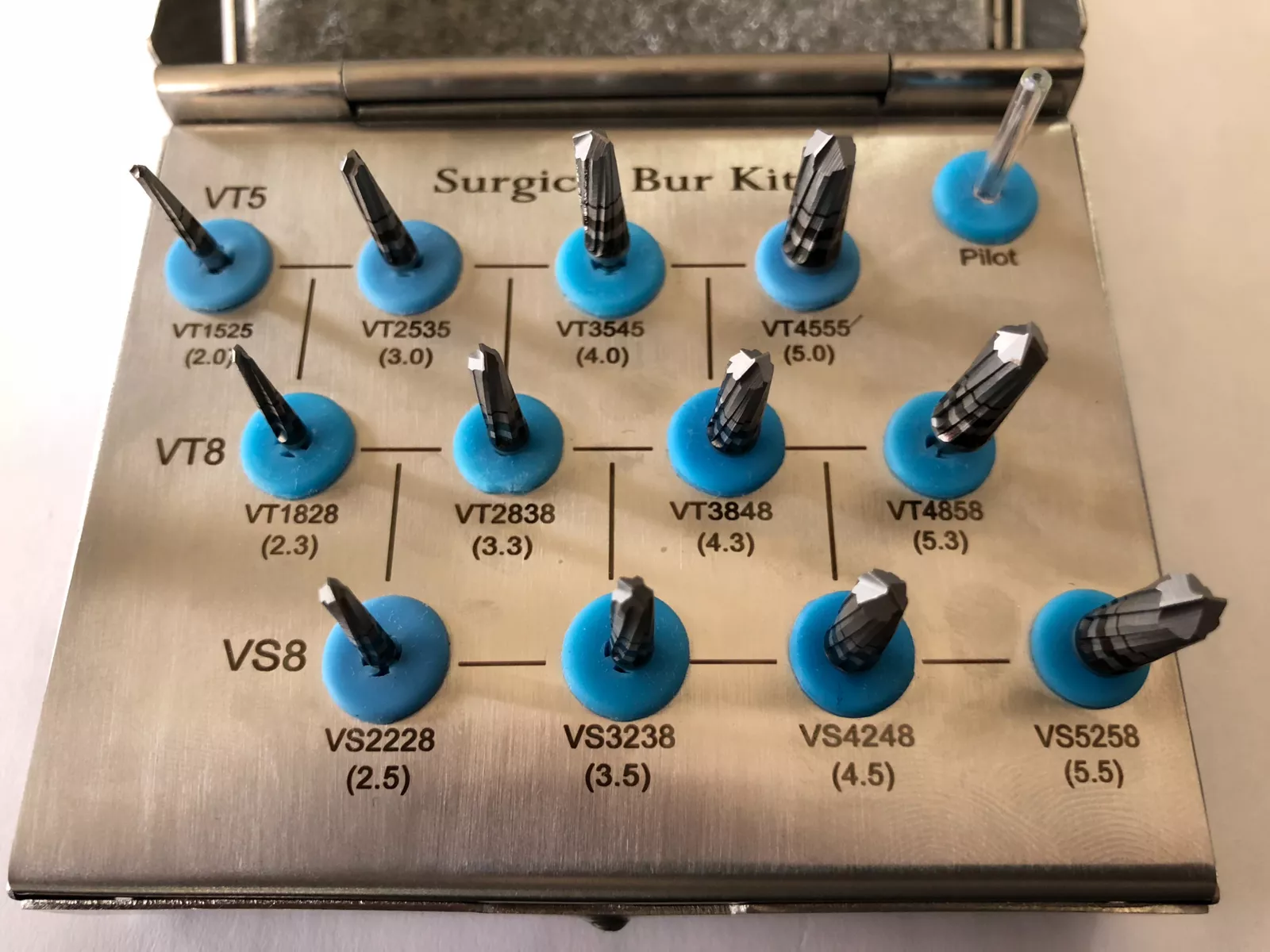
Counterfeits frequently contain subtle inconsistencies that become obvious when compared side-by-side with a genuine bur. Versah has published side-by-side comparison footage showing how these differences in flute geometry, finish, and packaging actually look under close inspection.
- Differences in laser markings
- Variations in color or finish
- Inconsistent flute geometry
- Uneven edges or machining marks
- Packaging inconsistencies
- Differences in tray design
- Missing Versah® branding
Even small deviations may indicate the bur was not produced to the same specifications as a genuine instrument.
Warning Signs During Surgery
If a counterfeit bur is not identified until it reaches the osteotomy, clinicians should be alert to increased vibration or chatter, excessive heat generation, premature dulling, reduced cutting efficiency, or unusual torque behavior. These changes can make osteotomy preparation feel less predictable and may affect the consistency clinicians rely on when executing a surgical protocol.
If an instrument behaves unexpectedly, it is worth asking why. Surgical burs should deliver reliable, repeatable performance, and counterfeit products cannot meet that expectation.
The Hidden Cost of Counterfeit Burs
Many counterfeit purchases are motivated by one thing: cost.
At first glance, saving money on instrumentation may seem like a reasonable business decision. The problem is that the potential consequences can be far more expensive than the original savings.
If a counterfeit instrument contributes to complications, inconsistent outcomes, additional chair time, or patient dissatisfaction, the financial impact can quickly outweigh any discount that attracted the purchase in the first place.
More importantly, patients trust clinicians to use validated instruments during surgery. Few practices would want to explain that an unverified aftermarket or counterfeit instrument was chosen simply because it cost less. Your reputation is built one patient at a time. Cutting corners on surgical instrumentation can put that trust at risk.
Protect Your Patients and Your Practice
The safest way to avoid counterfeit burs is to purchase exclusively through authorized sources. If you have concerns about the authenticity of a bur currently in your inventory, do not rely on appearance alone. Set it aside and contact Versah® for verification.
Protecting your Osseodensification results starts with knowing exactly what is in your surgical tray. If you would like assistance verifying your instruments, contact the Versah team at info@versah.com or call +1 844-711-5585.