
Universal Implant Compatibility Sets Densah® Burs Apart
Posted by Kelcee on Nov 5th 2026
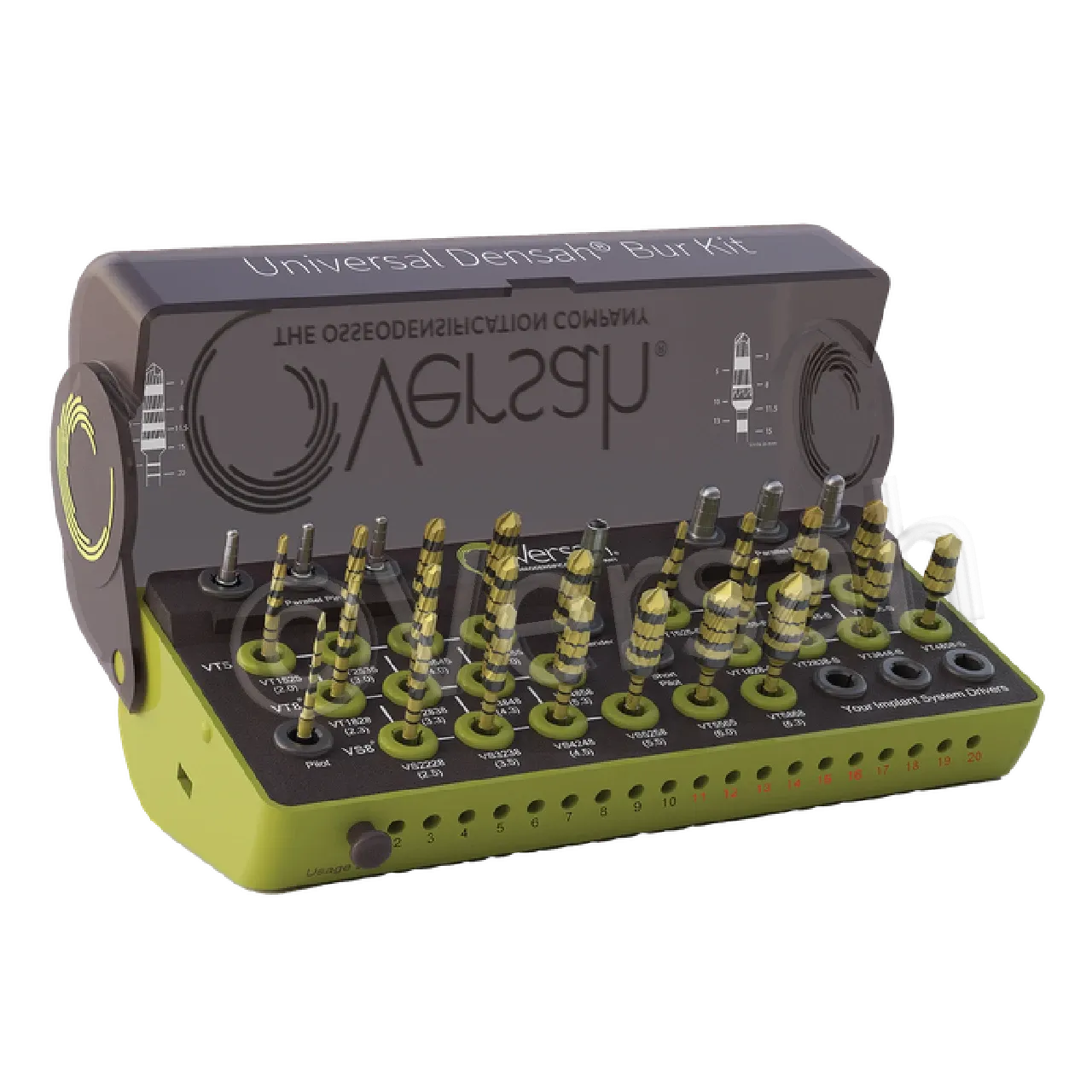
Clinicians who place implants from more than one manufacturer know that bur choice can get complicated fast. Every system seems to come with its own kit, its own protocol, and its own learning curve. Densah® Burs solve that problem differently. Instead of matching a bur to a brand, Densah® Burs match to implant diameter, so one system carries a clinician across nearly every case, regardless of which implant line the treatment plan calls for.
The Cost of System-Specific Drilling Protocols
Stocking separate drills for every implant brand adds real overhead to a practice. Inventory piles up, staff must track which kit pairs with which system, and rarely used drills sit on the shelf until they expire or dull. That inefficiency also shows up during surgery, when a mismatched bur forces a clinician to pause mid-procedure and reach for a different tray. It also complicates training for new associates or assisting staff, who must memorize a separate sequence for each implant brand the practice carries.
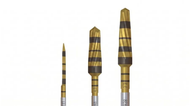
Densah® Burs are sized and sequenced around implant diameter rather than a specific manufacturer's platform, so the same bur kit works whether a clinician is placing a tapered implant from one system or a parallel-walled implant from another. Densah Burs have a unique bone preparation technique that takes advantage of bone's plasticity. The Densah Burs compact bone to the walls and apex of the osteotomy and allow bone to elastically deform, which in turn creates a spring-back effect. Instead of removing bone, the patient’s bone is saved and springs back to integrate with the chosen implant geometry.
A clinician treating multiple brands in a single week can rely on one drilling sequence for nearly all of them, rather than switching kits between operatories. That consistency reduces training time for staff and cuts down on the guesswork that comes with juggling several protocols side by side. It also means a general dentist expanding into implant placement does not need to master five separate systems before feeling confident at the chair.
Osseodensification Instead of Traditional Osteotomy
Universal compatibility means little if the technique behind it doesn't hold up clinically. Osseodensification uses a non-excavating drilling motion that compacts bone outward against the osteotomy walls rather than removing it, unlike traditional osteotomy preparation that cuts and discards bone tissue along the way.
This compaction effect can support primary stability at placement, particularly in lower-density bone where conventional drilling often falls short. The same sequence adapts across bone types and ridge widths. Clinicians who want a closer look at how the sequence changes by implant diameter can check the drilling reference guide before starting a new case.
Simplifying Inventory Across Multiple Implant Systems
For practices juggling several implant brands, this universality translates directly into simpler inventory and steadier margins. Fewer bur kits mean fewer expired products sitting in a drawer and a shorter onboarding curve for new associates or hygienists assisting in surgery. A universal bur kit built around implant diameter, not brand, lets a practice standardize its surgical tray regardless of which implant line a patient's treatment plan calls for. That flexibility also protects a practice against supply disruptions tied to any single manufacturer, since the same burs keep working even if a practice changes implant suppliers down the road.
Who Benefits Most From a Universal Bur System
General dentists newer to implant placement often feel the benefit first, since they are not locked into a single implant brand and can build their protocol around one bur system from day one. Prosthodontists, periodontists, and oral surgeons who treat a wider case mix see a similar advantage, since their patients often arrive with implants already chosen by a referring dentist. Rather than stocking a separate kit for every referral source, these specialists can rely on Densah® Burs to handle nearly any implant diameter that comes across the chair.
Bringing It Back to the Chair
None of this matters if it doesn't hold up at the osteotomy site. Clinicians choosing burs for a multi-system practice want a drilling protocol that adapts to the case in front of them, not one dictated by the catalog. Densah® Burs were engineered around that exact need, giving clinicians one dependable system across nearly any implant they place, in nearly any bone density they encounter. That is part of why Versah built its bur line around universal compatibility from the start, rather than tailoring it to a single implant partner or a narrow set of cases.
If you are weighing whether a universal bur kit fits your practice, reach out to the Versah team directly. They can walk through which kit matches your current caseload and answer any questions about switching your existing protocol over.