
Prioritize Clinical Needs: Bur Selection Beyond Implant Systems
Posted by Kelcee on Sep 1st 2026
Every bur used to prepare the osteotomy shapes the implant outcome. For years, clinicians treated bur selection as an afterthought, using extraction drills that shipped with the implant surgical kit. The site preparation is what determines bone response, stability, and healing. Choosing a bur based on clinical need is quickly becoming the new standard of care.
Osseodensification vs. Traditional Drilling
Most clinicians are trained to use the drilling protocols provided by their specific implant system. That workflow made sense when traditional, subtractive drilling was the only option. Traditional burs remove bone to create space. In soft or compromised bone, that can weaken an already fragile site.
Osseodensification changes the equation. Densah Burs compact the patient’s autogenous bone outward along the osteotomy walls instead of removing it, which is particularly beneficial in sites with soft or compromised bone.
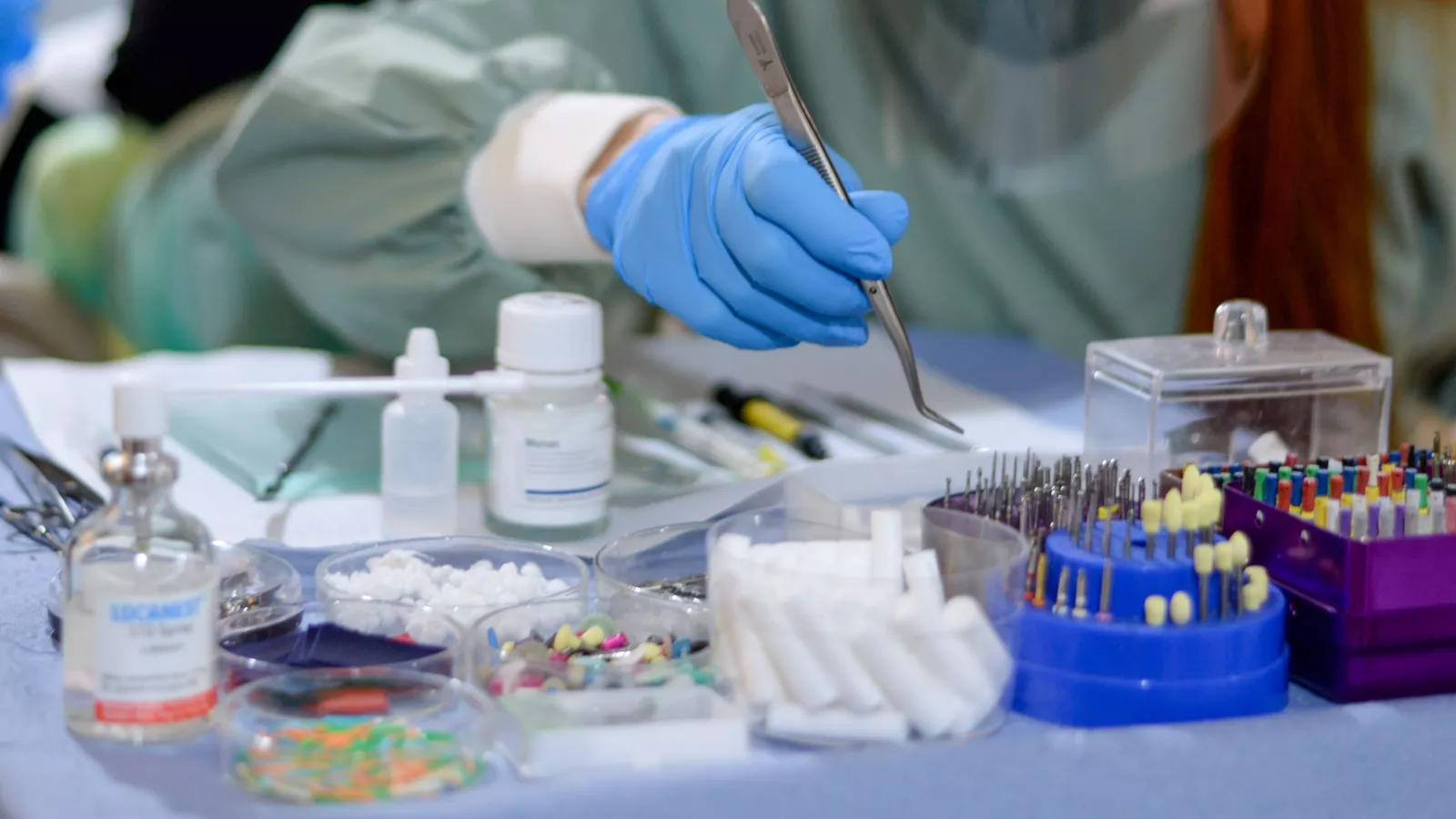
The mechanics are simple once you see them in action. A Densah Bur in reverse, or counterclockwise direction, at controlled speed, does not cut bone the way a standard drill does. It pushes bone laterally and apically, autografting the site with the patient's own bone.
This is not a small improvement. It represents a real shift in how implant osteotomies are approached, especially in low-density bone. Published research on osseodensification, including systematic reviews against conventional drilling, points to improved stability. That evidence is part of why the technique moved from niche to mainstream in a decade.
One Bur, Every Implant System
A common misconception is that specialized burs only fit one implant line. Densah Burs are built around bone biology, not one manufacturer's implant geometry or connection type. That makes Versah compatible with virtually any implant system on the market, regardless of narrow-diameter, wide-body geometry, or surface.
Universality matters for business operations, too. Instead of stocking separate kits per implant brand, a practice can standardize one bur system and perform multiple clinical procedures such as sinus lifts, ridge expansion, molar septum expansion, and immediate implant placement. Clinicians can manage less inventory with confidence because one Densah Bur Kit can be used across multiple clinical cases. Fewer kits, fewer reorders, and consistent techniques across the whole team.
Protocols and Published Research You Can Rely On
Adopting a new protocol system is only half the equation. Technique education separates clinicians who use a Densah Bur occasionally from those who build it into daily workflow. Detailed clinical protocols exist for procedures like Crestal Sinus Lift, Ridge Expansion, Molar Septum Expansion, and Immediate Implant Placement. They offer step-by-step guidance instead of guesswork.
This matters because a Densah Bur's value is not limited to complex cases. Some clinicians reach for Versah’s densifying burs only when a case looks difficult. Then they default back to traditional drilling for routine placements. Producing consistent and predictable results should be the standard for every case, not only the complex.
A systematic review published in the National Library of Medicine compared osseodensification against conventional drilling across multiple databases. It found the technique was established to optimize implant site preparation, echoing what many clinicians already see chairside. Reviewing the full body of published papers on osseodensification gives practices the confidence to apply the technique broadly, not sparingly.
The Real Danger of Counterfeit Burs
Price sensitivity is a real concern in any practice. It is also exactly what makes counterfeit burs so tempting, and so dangerous. A counterfeit bur may look nearly identical to a validated Densah Bur, but it has not been manufactured, inspected, or tested to the same specifications. Precise engineering, material selection, and the power of hydrodynamics work together to make osseodensification possible in the first place.
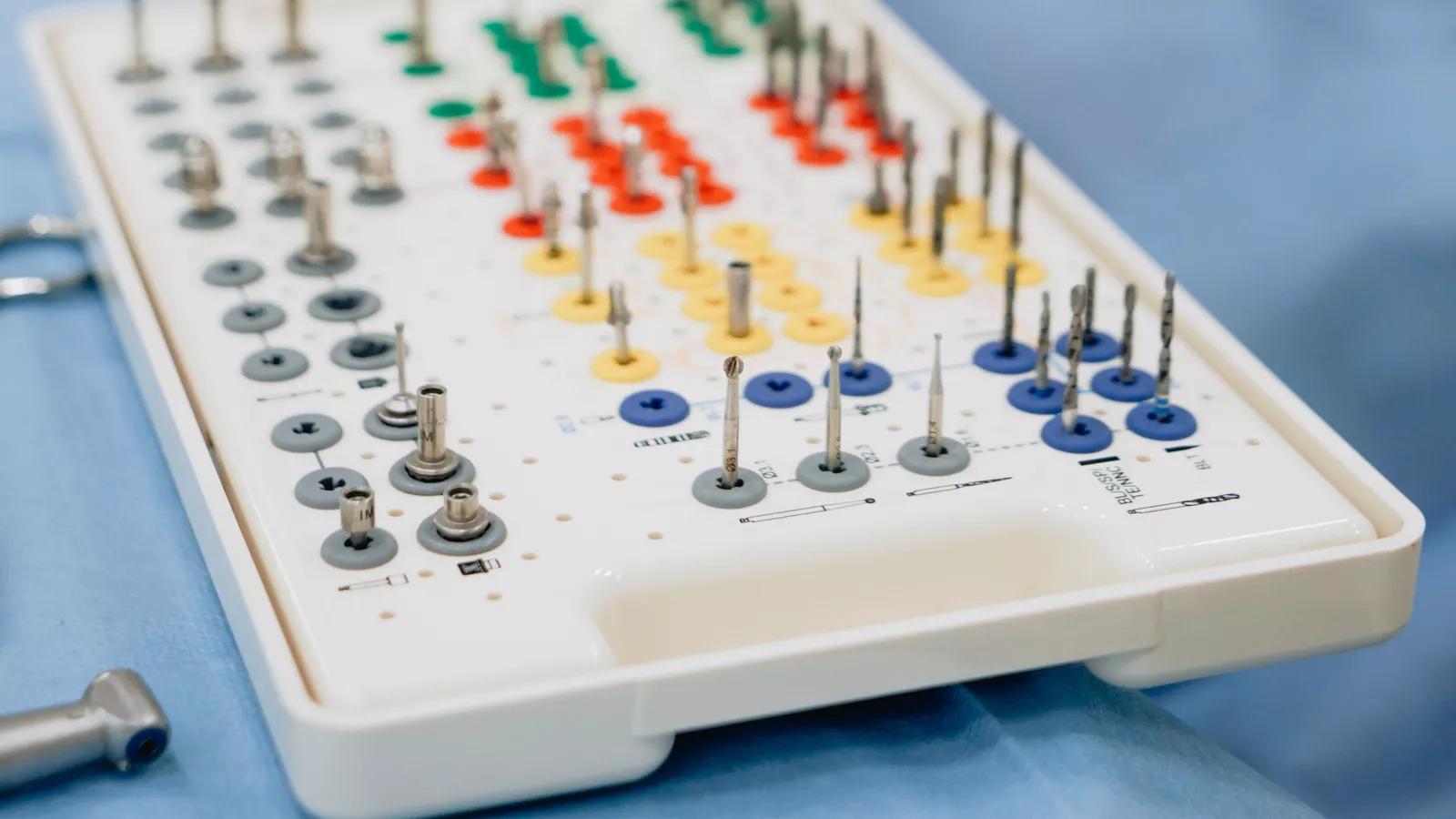
Using an unverified copy is not a minor compromise. A counterfeit bur can dull faster or fracture under torque and may fail to produce the densifying effect the technique depends on. Short-term savings rarely justify that long-term liability.
Getting the Full Value From Every Bur
Clinicians who see the biggest returns in outcomes, referrals, and chair time treat bur selection as a clinical decision first. That means matching the implant system drilling reference guide to the case at hand. It means applying osseodensification consistently, not just in worst-case scenarios.
Done well, this compounds. Better primary stability supports more predictable restorative timelines. Fewer complications support stronger referral relationships with restorative colleagues. One universal system, when used correctly and replaced on the manufacturer's suggested usage (20-23 procedures), keeps technique consistent across procedures and providers in a practice.
Ready to Rethink Your Bur Selection?
Bur selection deserves the same clinical attention as implant choice. If you have questions about matching the right burs to your protocols, want help building a kit for your case mix, or simply want to talk through what osseodensification could look like in your practice, connect with the Versah team today. We would love to help you get the most out of every bur you place.