

Inside the Osseodensification (OD) Academy Training Curriculum
Posted by Kelcee on Sep 17th 2026
OD Academy Training is where good intentions turn into confident, repeatable clinical skill. Many clinicians already know Osseodensification by name. Fewer have had the guided, hands-on instruction that turns a new technique into a dependable part of daily practice. That gap is exactly what a well-built training curriculum is meant to close.
If you have ever placed an implant in soft, compromised, or unpredictable bone, you already understand why Osseodensification matters. Traditional subtractive drilling removes bone. Osseodensification, performed with Densah Burs, instead compacts and densifies bone along the osteotomy walls. The result is a denser, more stable site at the time of placement. That difference is not cosmetic. It is biomechanical. And it shows up in how confidently you can place implants in cases that once required grafting, delay, or referral.
Why OD Academy Training Exists
Academy Training gives clinicians a structured path from theory to technique, instead of leaving them to interpret a new instrument on their own. The curriculum is built around a simple idea. Osseodensification is a skill, not just a product. A clinician who understands bone density, drilling sequence, and the Osseodensification technique can achieve highly optimized results.
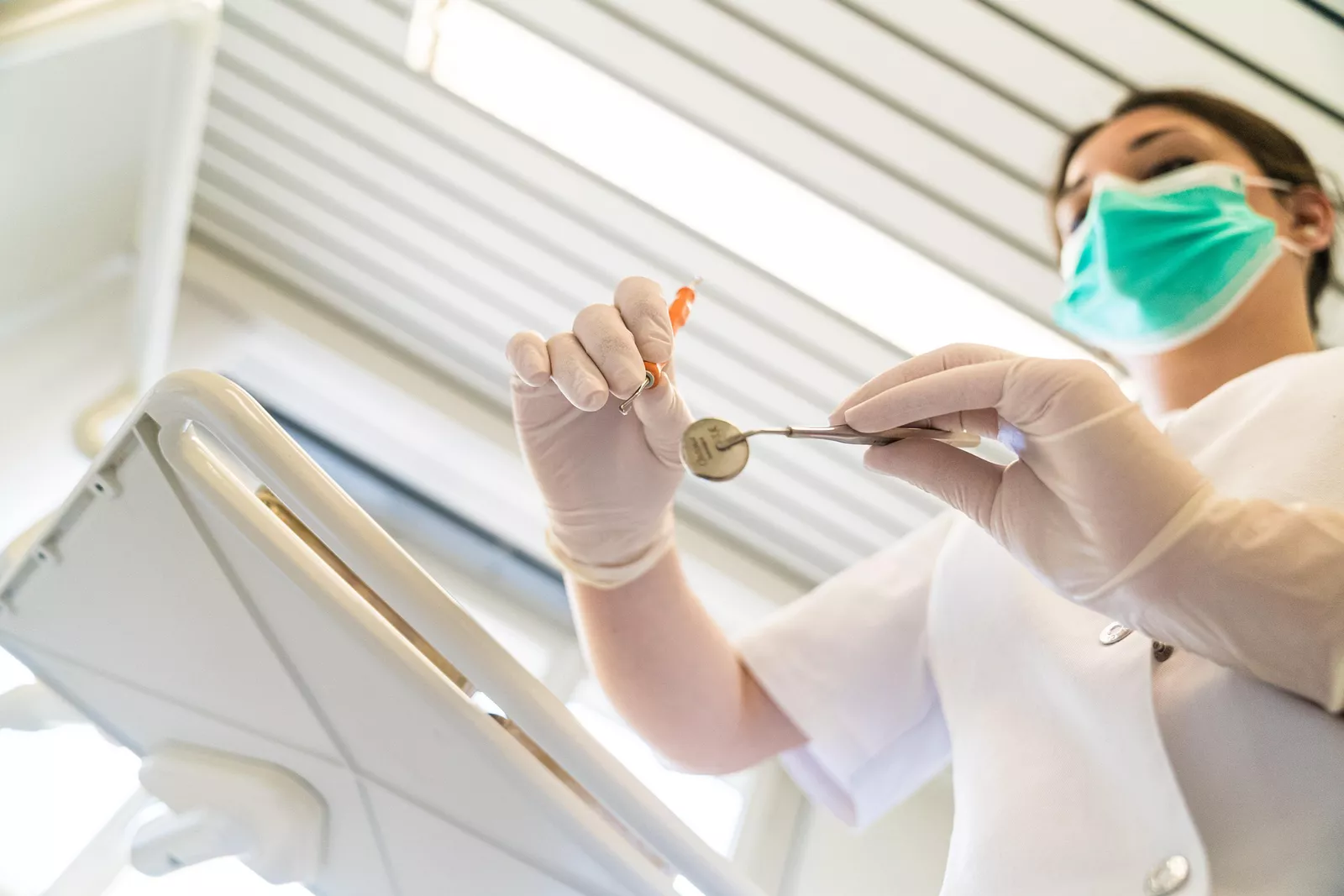
Treating the Densah Burs like a drop-in replacement for standard twist drills will not optimize your workflow to its full potential. OD Academy Training reduces your learning curve by diving into the scientific evidence through didactic lectures and hands-on exercises with bone specimens and clinical models.
We welcome implantologists of all experience levels. Our goal is to create an educational environment that feels like joining a family of passionate clinicians alike, rather than simply sitting through a lecture.
What the Curriculum Actually Covers
The OD Academy Training program does not stop at basic bur mechanics. It works through the full range of published, validated clinical protocols. These are the protocols that make Osseodensification useful across the widest range of cases.
Expect training to include:
- Crestal Sinus Lift protocols (I, II, & III), for lifting the sinus membrane without a lateral window in appropriate cases
- Ridge Expansion protocol, for managing narrow ridges without a separate splitting or grafting procedure
- Molar Septum Expansion, for using the septum as a natural anchor in molar sites
- Immediate Implant Placement protocol, for stabilizing implants in fresh extraction sockets
- Combined and guided surgery protocols, for clinicians integrating Osseodensification with existing digital workflows
Each protocol is taught with the biomechanical reasoning behind it, not just the drilling steps. Clinicians see why bone is densified rather than removed at each stage. They also see how that decision supports long-term implant stability.
Universal by Design, Not by Exception
One of the many advantages of Densah Bur Technology is its universal compatibility. The burs are not restricted to a single implant brand or a single connection geometry. They are designed to work across implant systems, in both the maxilla and the mandible. That means the technology and technique apply far beyond the occasional difficult case.
This matters because many clinicians unintentionally limit themselves. They reach for Densah Burs only when a case looks complicated, then return to standard extraction drilling for straightforward, routine cases. OD Academy Training teaches clinicians how the Densah Bur Technology adapts across systems and case types, so that Osseodensification becomes the default approach.
Backed by Published Science
Technique confidence is easier to build when the evidence is substantial and current. Osseodensification is supported by a growing body of biomechanical, histological, and clinical research. That body of work examines implant stability, bone density changes, and long-term outcomes. Academy Training draws directly from this published research, so clinicians are not just learning a manual technique, but instead honing a new skill based on scientific evidence.
Clinicians who want to see how implant research is evaluated more broadly have a useful resource. The National Library of Medicine maintains a searchable archive of peer-reviewed dental implant studies, a helpful reference point for comparing evidence across preparation techniques.
What OD Academy Training Teaches About Counterfeit Burs
A curriculum built on validated technique has to address what happens when the instrument itself is not validated. Counterfeit Osseodensification burs exist, and they are not simply a cheaper version of the real thing. They are unauthorized copies produced without the flute geometry, metallurgy, and quality control that make true densification possible.
A counterfeit bur may look nearly identical on the tray, but it will not function like the original Densah Bur. That difference shows up as inconsistent densification, unpredictable heat generation, and stability that cannot be relied on.
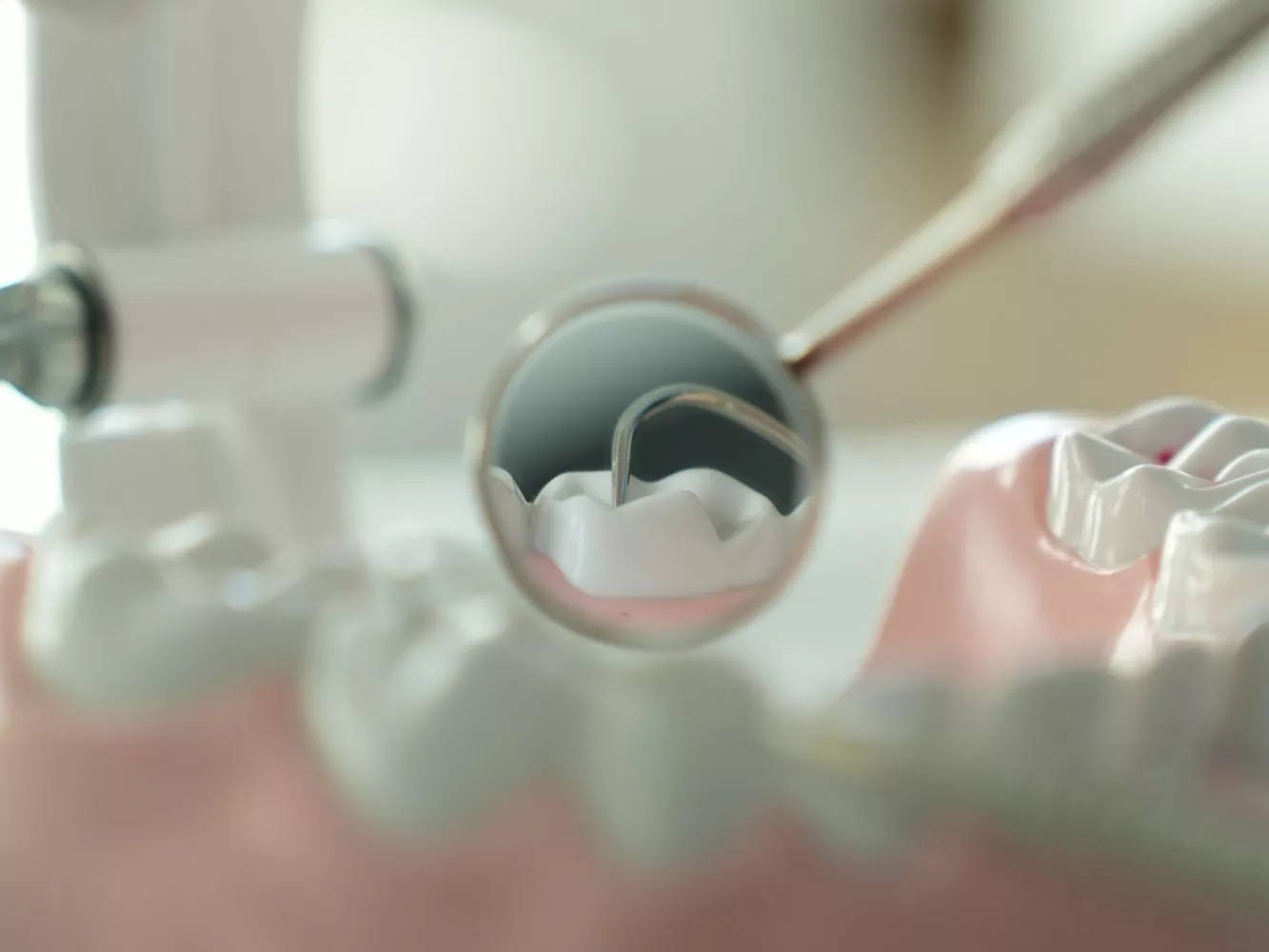
This is where price sensitivity and technique education intersect, and OD Academy Training treats both seriously. A bur is a small expense compared to a failed implant, a redo procedure, or a patient relationship damaged by a preventable complication.
The recommended replacement interval, typically after 20 to 23 uses, exists for the same reason. Bur performance changes with wear, and a worn or counterfeit instrument will not signal that decline until the outcome is already compromised.
What Clinicians Gain
The clinicians who complete Osseodensification Academy Training consistently report the same shifts. They place implants in cases they previously referred out, and they spend less chair time managing soft bone complications. Many also see stronger referral relationships form as restorative colleagues notice more predictable outcomes.
That is the real value of structured training. It is not about learning to hold a handpiece differently. It is about internalizing a technique until it becomes second nature, applicable across implant systems, case types, and bone qualities.
Bringing the Curriculum Into Your Practice
Osseodensification rewards clinicians who commit to understanding it fully, rather than sampling it occasionally. Academy Training is built to make that commitment worthwhile. It combines protocols drawn from published research with hands-on practice.
If you are ready to see what a complete Osseodensification education looks like, reach out and connect with our team. We would welcome the chance to walk you through the curriculum, answer your questions, and help you find the right path into training.